
Are you wondering if sedation dentistry is actually necessary for you?
Sedation dentistry is often misunderstood. Some patients assume it’s only for extreme fear, while others think it’s a shortcut to avoid discomfort. When people search for a sedation dentist in Oxnard, they’re usually trying to understand whether sedation is appropriate, or even safe, for their situation.
At Puri Dentistry, we explain sedation as a clinical tool, not a comfort upgrade. Dentists recommend sedation only when it improves safety, cooperation, or treatment success.
What a Sedation Dentist Actually Does
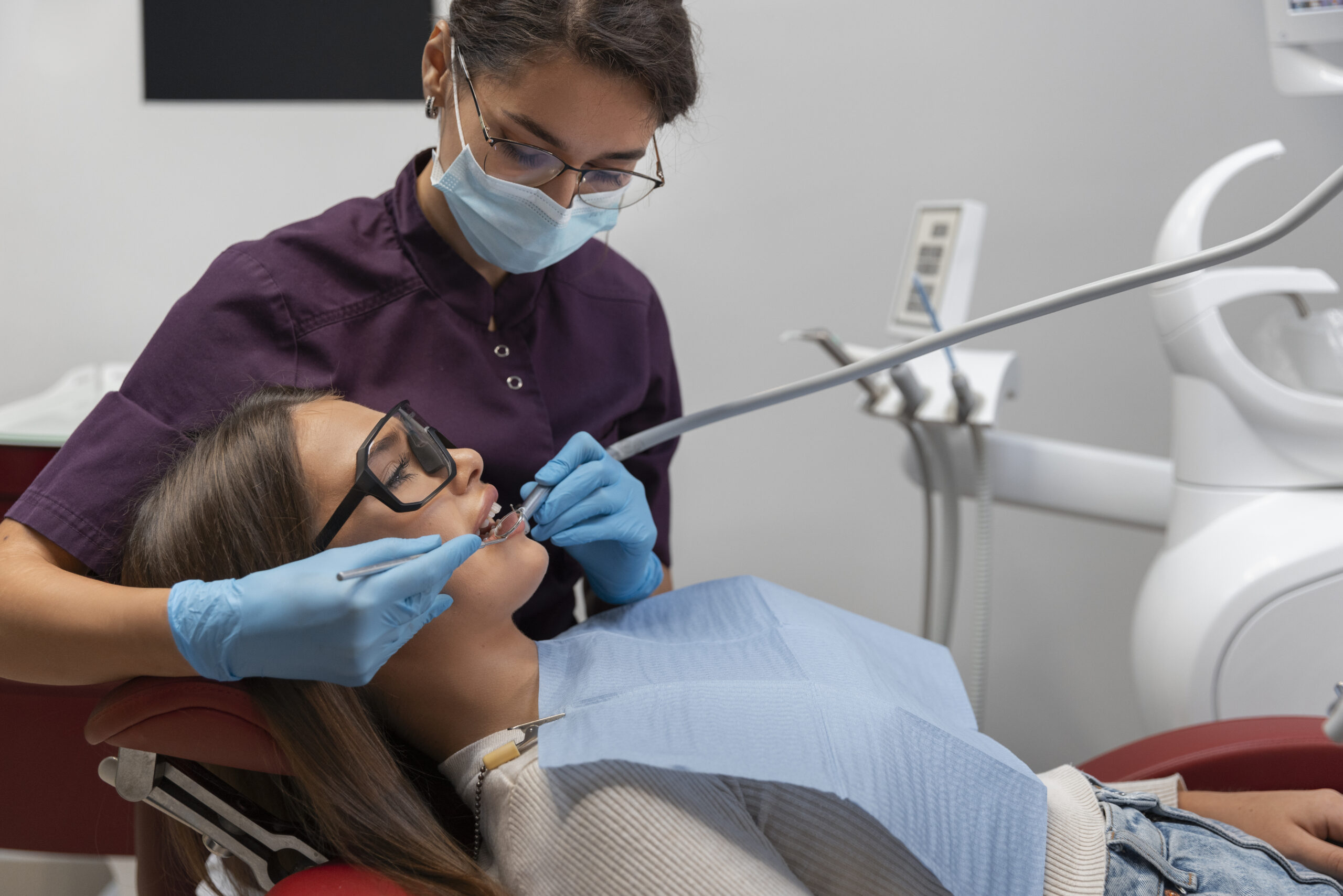
A sedation dentist evaluates whether a patient can safely and comfortably complete dental treatment without additional support. Sedation is used when standard local anesthesia and reassurance are not enough to allow proper care.
The role of sedation is to reduce awareness, anxiety, or involuntary responses that interfere with treatment. It does not replace local anesthesia, and it does not eliminate all sensation. Instead, it helps patients tolerate procedures that would otherwise be difficult or unsafe to complete.
Types of Sedation Used in Dentistry
There are two approaches that are usually used in sedation dentistry; oral and IV sedations. They both have different clinical applications.
Oral sedation entails using prescribed drugs prior to attending the appointment. It makes the patient responsive but less anxious and aware. IV sedition is faster and enables the dentist to regulate the level of sedation during the treatment. Dentists will select the procedure according to needs in the length, health of the patient, and predictability.
Who Actually Needs Sedation Dentistry
Not all persons should have sedation. Dentists seek to identify reasons that sedation would have a significant beneficial effect on care.
The most benefited patients fall in the group that has severe dental anxiety that cannot be treated, a high level of gag reflex that disrupts the process, can sit still long enough, or requires long or complex dental services. Sedation in such instances facilitates the comfort of the patient as well as clinical precision.
When Sedation Is Usually Not Necessary
Many patients assume sedation is required for discomfort, but most routine dental treatments are well-tolerated with local anesthesia alone.
Short procedures, simple restorations, and patients who can remain calm and cooperative usually do not need sedation. Using sedation when it isn’t necessary increases risk without adding benefit. This is why dentists evaluate candidacy carefully instead of offering sedation automatically.
How Dentists Decide If Sedation Is Safe
The most significant factor of sedation dentistry is safety. Prior to prescribing sedation, dentists seek medical history, medications, blood pressure, and general health.
Sedation could be restricted in cases of uncontrolled hypertension, or some heart-related problems or breathing problems. Age, reaction to medication in the body and past experiences of sedation are also taken into consideration by us. This screening will make sure that the sedation supplements care and does not put unnecessary tension into it.
Why Procedure Type Influences Sedation Decisions
The duration and intricacy of a procedure is important. The kind of short filling would seldom warrant a sedation whilst several extractions or complicated oral operations could.
Prolonged engagements augment tediousness, jaw, and apprehension, which might undermine the quality of treatment. In these cases, sedation dentist in Oxnard helps maintain steady conditions so treatment can be completed safely and accurately.
What Sedation Does, and What It Doesn’t Do
Sedation reduces anxiety and awareness, but it does not replace pain control. Local anesthesia is still required to numb the area being treated.
Patients may feel pressure or movement, but they are typically relaxed and less aware of time passing. Understanding these expectations helps patients decide whether sedation aligns with their needs.
Monitoring and Safety During Sedation
Vital signs are also regularly monitored during the process of sedation. This involves heart rate, oxygenation status and blood pressure.
We are adhering to the safety measures set in Puri Dentistry and adapting care on the spot in case it is necessary. This is monitored by making sure that the sedation is within safe ranges during the procedure.
Why Sedation Is a Decision, Not a Selling Point
Sedation dentistry is not something to be sold as a last resort. Its excessive use is risky and unsustainable, yet it does not produce superior results.
The responsibly practicing dentists practice judicious sedation, which is used when it enhances the safety, efficiency, or even cooperation of the patient. This would be keeping the patients healthy and quality of treatment.