
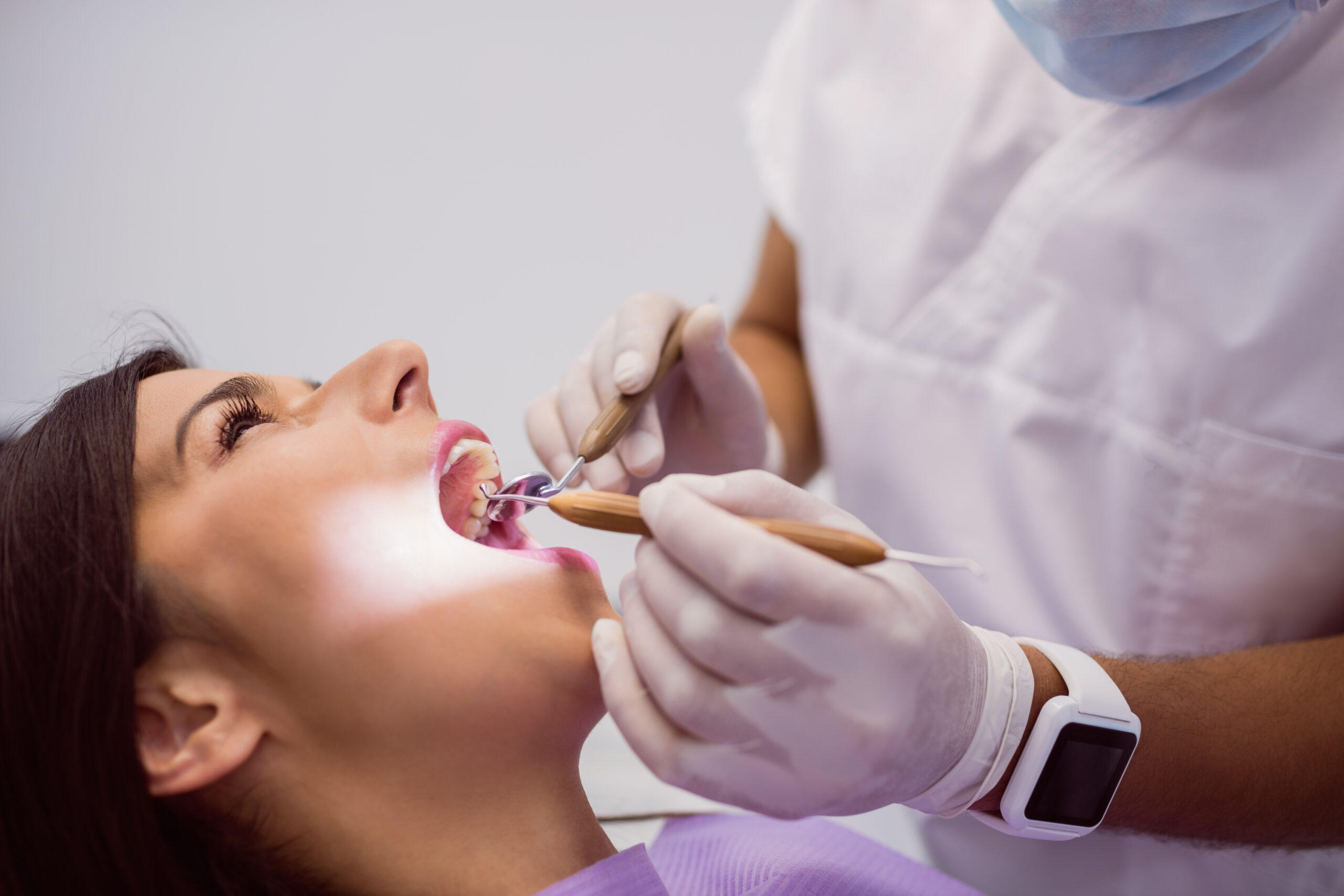
When your tooth suddenly gets sensitive or starts hurting, it’s natural to wonder what’s really going on. Is there decay hiding under the surface? Did an old filling finally give out? Or maybe it’s something else entirely. These are the kinds of questions dentists hear all the time.
Dental fillings in Oxnard definitely help fix and protect damaged teeth, but they’re not permanent. They get worn down over the years, and things like new decay or a cracked filling can create more trouble that needs fixing. Spotting the warning signs early makes a huge difference; you can usually avoid bigger, more expensive procedures down the road.
What’s a Hidden Cavity?
A hidden cavity is sneaky tooth decay that shows up in places you can’t easily see, between your teeth, below the enamel, or even underneath a filling. On the outside, the tooth might look fine, yet the decay is still spreading.
This is why regular dental checkups and X-rays matter, even if nothing seems wrong. Dentists in Oxnard often catch these early, which means the problem stays small and quick to treat.
How Do You Know If a Filling’s Going Bad?
Dental fillings in Oxnard may be tough, but between chewing, grinding, and temperature swings, they take a lot of abuse. Over time, they can break down. Some signs your filling isn’t holding up
- Sensitivity to heat or cold
- Pain when you bite down
- A surface that feels rough or cracked
- Food getting stuck around the tooth
- Gaps you can see near the filling
- Persistent toothache
These symptoms don’t always mean disaster, but you should definitely get them checked before things escalate.
Does Decay Happen Under Fillings?
Yes, unfortunately. Even after a tooth gets filled, it’s still vulnerable. Tiny gaps around old fillings can let bacteria sneak in, leading to new cavities underneath, which dentists call recurrent decay.
Since this kind of decay hides below the surface, you usually won’t spot it without a dentist’s help. A lot of folks in Oxnard are surprised to learn the issue isn’t the filling itself, but new decay forming out of sight.
Why Does a Tooth with a Filling Become Sensitive Again?
It’s pretty common to feel some sensitivity right after getting a filling, and that usually settles down within a week or two. But if it flares up again months or years later, something’s off. This is a common concern among patients who have received dental fillings in Oxnard. Possible reasons include:
- The edge of the filling is wearing down
- A crack in the tooth itself
- New decay
- Gum recession exposing the root
- Loose filling
If sensitivity keeps lingering, don’t just tough it out; getting it checked can stop a minor problem from turning major.
Do Dark Spots Always Mean Cavities?
Not always. Dark spots could be stains, the natural shape of your teeth, or leftover marks from dental work. They can also be cavities, though. Because you can’t really tell at a glance, it’s smart to let a dentist take a look.
At Puri Dentistry, we check carefully to figure out if it’s just a stain or something that needs fixing.
What Happens If You Ignore a Bad Filling?
A damaged filling may seem like no big deal at first, but it gets worse the longer you leave it. Bacteria can slip through cracks and openings, leading to problems that may require additional treatment beyond dental fillings in Oxnard, including:
- Bigger cavities
- Infection
- Tooth fractures
- Needing a root canal
- Losing the tooth
Catching things early lets your dentist replace or fix the filling easily, before you’re facing something more serious. Many people in Oxnard save themselves a lot of pain and money by dealing with small issues promptly.
How Long Do Fillings Last?
It really depends on the filling material, your oral care habits, and how hard you bite down. On average
- Composite fillings last roughly 7–10 years, sometimes longer.
- Amalgam fillings last about 10–15 years, and may be much longer.
- Some people keep restorations for decades with good dental habits.
Regular dental checkups help keep tabs on your fillings and catch problems early.
Can a Dentist Fix a Cavity Without Replacing the Whole Filling
Sometimes, yes. If a dentist spots the issue soon and it’s limited to a small area, they may just repair that part. Other times, swapping out the full filling is the better call, even for patients who previously received dental fillings in Oxnard.
The right choice depends on how much is damaged and how strong the rest of the tooth is. We always look at each situation closely to find the gentlest, most effective fix.
When Should You See the Dentist?
If you notice any of these, get yourself checked out soon:
- Sensitivity that sticks around and won’t let up
- Pain while chewing
- A filling that’s chipped or cracked
- Changes in how a filled tooth looks or feels
- Ongoing discomfort
- Food keeps getting wedged between teeth
Jumping on these symptoms early usually means simpler (and much cheaper) treatment. In Oxnard, lots of patients avoid big dental issues by not waiting too long.
How Do Dentists Find Hidden Cavities?
You can’t always see them just by looking. Dentists use tools like
- Digital X-rays.
- Up-close visual exams.
- Magnifying devices.
- Special cavity-detecting technology.
All of these help catch problems before you’d notice them yourself, which can help patients avoid needing more extensive dental fillings in Oxnard later on. At Puri Dentistry, we use the latest equipment to spot hidden issues and plan treatment before things blow up.
How Can You Protect Your Fillings?
Nothing lasts forever, but some habits really help stretch out the life of your dental work. Here’s what makes the biggest difference:
- Brush twice a day
- Floss daily
- Cut back on sugary snacks and drinks
- Use a night guard if you grind your teeth
- Get regular dental checkups
- Handle small symptoms as soon as they pop up
Sticking with these habits helps keep new cavities away and protects your current dental work for years. Patients who follow this advice usually have fewer problems down the line.
Bottom Line
A hidden cavity and a failing filling can act a lot alike, so it’s tough to guess what’s wrong on your own. If you’ve got sensitivity, pain, dark spots, or changes around a filled tooth, don’t ignore them. Thankfully, most of these issues are easy to handle when they’re caught early.
Whether you’ve got new decay or it’s just time for a replacement filling, getting a dental checkup now keeps your smile strong and saves you trouble later. If you’re worried about dental work or have symptoms, taking action early on dental fillings in Oxnard will help you avoid those bigger problems down the road.