
Tooth decay doesn’t just show up out of nowhere. It starts small, quietly, really, often with no pain and no obvious damage. In the beginning, decay is just a patch of weakened enamel because of acid from bacteria hanging out on your teeth. The upside? If you catch it early, you can actually stop it or even undo the damage before a real cavity forms.
A lot of people start searching “fluoride treatment near me” and wonder if fluoride can actually fix their teeth. The truth comes down to how far the decay has gone. If you get in front of it, fluoride can make a big difference.
What Exactly Is Fluoride Treatment?
Fluoride is a mineral that strengthens your tooth enamel. Pretty simple. The kind you get at the dentist’s office is way stronger than what’s in your toothpaste or mouthwash at home. During a visit, your dentist might put it on as a gel, foam, varnish, or rinse. It takes just a few minutes, doesn’t hurt at all, and helps your teeth soak up the stuff they need to stay strong.
People look for “fluoride treatment near me” because it’s a proven way to lower their chances of getting cavities, and it works for both kids and adults.
How Early Tooth Decay Starts
The trouble begins with something called demineralization. Basically, when bacteria feed on sugars and starches in your mouth, they leave behind acid. That acid steals important minerals from your enamel.
When this is happening, you might notice:
- Chalky white spots on your teeth
- More sensitivity than usual
- Rough patches
- Maybe a little discomfort when you eat sweets
If your enamel is still pretty much intact, there’s still time to turn things around.
Can Fluoride Reverse Early Tooth Decay?
Yes, fluoride can reverse early decay if you catch it before a cavity actually forms. What fluoride does is kick off remineralization, putting back minerals like calcium and phosphate right into your enamel. This strengthens the weak spots and helps your teeth fight off future acid attacks.
People searching for fluoride treatment near me are usually hoping to get help before things get worse. If your dentist catches those first signs during a checkup, a professional fluoride treatment can really help. But once a cavity forms, meaning the enamel’s broken down, fluoride can’t fix the hole. At that point, you’re looking at a filling.
How Does Professional Fluoride Treatment Work?
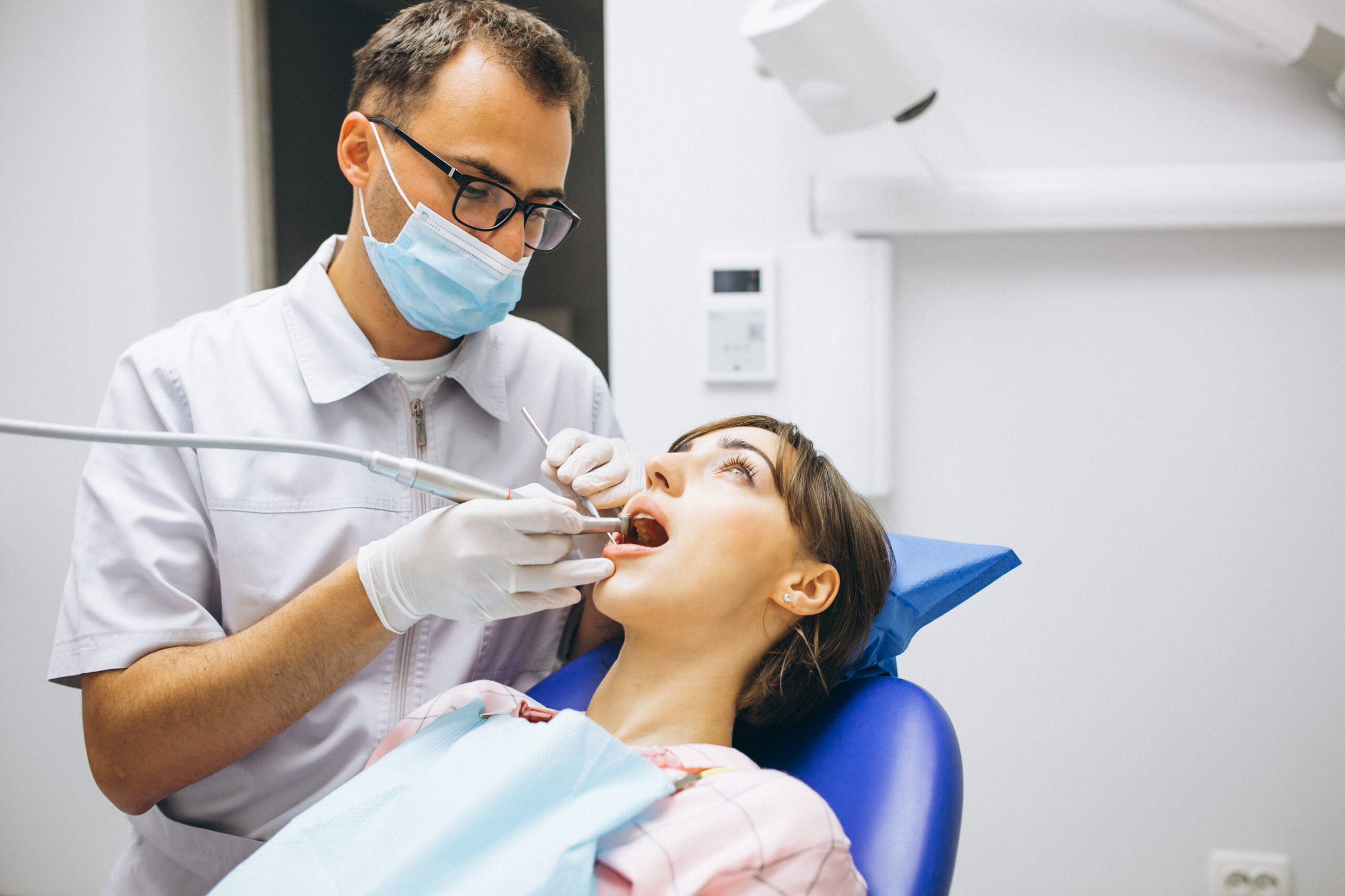
Your dentist starts by cleaning your teeth and checking for soft spots. Then the fluoride goes on, varnish, gel, or foam. You’ll need to wait a bit before eating or drinking afterward, but that’s about it. At Puri Dentistry, we guide patients through each step so they feel comfortable and informed.
The fluoride seeps into the weakened enamel and gives it strength. Professional fluoride is stronger than anything you can buy at the store. It gives your teeth more protection.
Who Gets the Most from Fluoride Treatment?
Really, anyone can benefit, but some people need it more than others, especially those searching for fluoride treatment near me. That includes:
- Kids or adults who get cavities a lot
- Patients with dry mouth problems
- People whose gums have pulled back
- Anyone wearing braces
- Those with weaker-than-average enamel
- People who eat a lot of sugar
Dentists usually recommend fluoride treatments based on your personal risk. If you’re in a high-risk group, it’s extra important.
How Do You Know If You Need Fluoride Treatment?
A lot of people have weak enamel and don’t realize it until the dentist points it out. Signs you might need extra fluoride include:
- Getting cavities often
- Sensitive teeth
- Those white spots that won’t go away
- Dry mouth
- Drinking a lot of acidic stuff like soda or juice
- History of enamel erosion
If you notice any of these, it’s worth asking about fluoride the next time you’re at the dentist, or just looking up “fluoride treatment near me.”
How Long Does Fluoride Last?
The protection from fluoride sticks around for several months, but how long exactly depends on how you brush, your diet, and your risk for cavities. At Puri Dentistry, we often remind patients that consistency plays a big role in results.
Most dentists suggest getting fluoride at your regular checkups, which is usually every six months. If you’re at higher risk, you might need it more often.
Fluoride Treatment and Your Daily Habits
Getting fluoride from your dentist works best when you pair it with good habits at home. That means:
- Brushing twice every day with fluoride toothpaste
- Flossing daily
- Skipping sugary snacks and drinks when you can
- Drinking water
- Seeing your dentist regularly
Even if you get pro fluoride treatments, daily care at home matters just as much.
Why Getting Checked Early Matters
One of the best things about fluoride is that it prevents bigger problems when the decay is still reversible. If dentists can spot those weak enamel spots in time, they can usually fix or halt the problem with fluoride.
A lot of people only start searching “fluoride treatment near me” after they notice sensitivity or see something weird on their teeth. The sooner you catch it, the less you’ll need done later.
Final Thoughts
Fluoride treatment really does help fix early tooth decay if you catch it before a cavity forms. It strengthens enamel and helps your teeth stay healthy.
If you’ve noticed any signs of weak enamel or you just want to keep your smile in good shape, finding a dentist for fluoride treatment near me is a smart move. Prevention is important and it beats treating big problems, and finding issues early keeps your teeth stronger.