
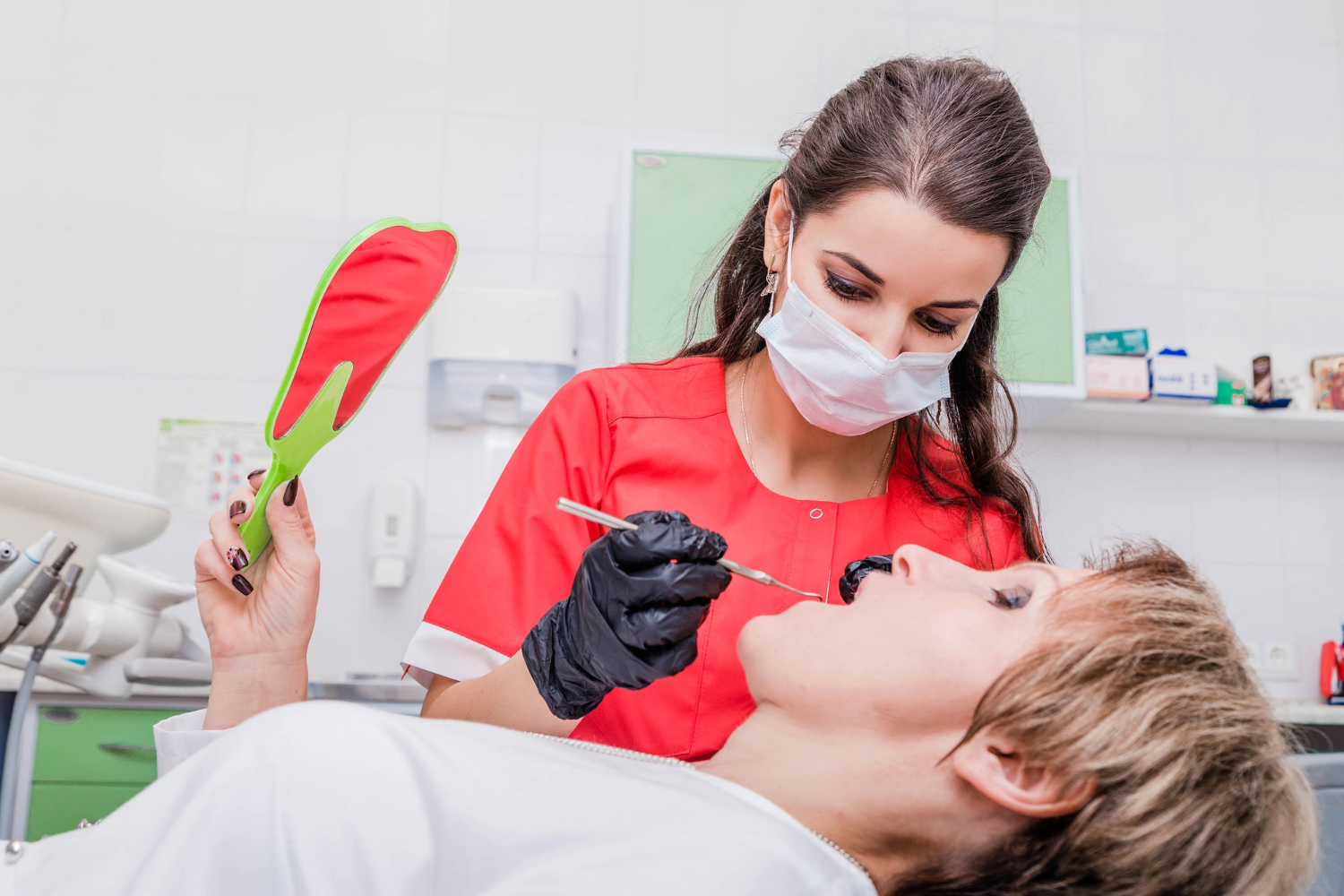
We had a patient stare at us a little confused when we first brought up gum grafting, mostly because she assumed her sensitive tooth just needed a filling. It turned out her gums had receded enough that the root itself was exposed, and that root exposure was the actual source of her discomfort, not the tooth underneath at all.
She’d never heard of gum grafting before that appointment, and honestly, most patients haven’t until they’re sitting in front of a gum specialist near me search wondering what their options even are.
So let’s break this down properly, because gum grafting sounds intimidating until you understand what it’s actually solving and how gentle the recovery tends to be compared to what people imagine.
Why Gum Recession Happens in the First Place
Recession isn’t always caused by brushing too hard, even though that’s the explanation most people expect.
- Genetics play a bigger role than most patients realize, and some people are simply born with thinner gum tissue that recedes more easily over time regardless of how carefully they brush.
- Grinding, past orthodontic movement, and even certain piercings can contribute too.
This is exactly why a “gum specialist near me” visit often starts with figuring out the actual cause rather than jumping straight to treatment.
What Grafting Actually Involves
Gum grafting takes tissue, either from another part of your mouth or from a processed donor source, and places it over the area where gum tissue has thinned or pulled away from the tooth.
The goal isn’t just cosmetic, though that matters too. This process covers up the exposed root surfaces that are more vulnerable to sensitivity, decay, and further recession if left unprotected.
Who Really Needs This Procedure
Not every case of mild recession requires grafting immediately. We look at a few specific signs before recommending it.
- When a root exposure is causing sensitivity to hot, cold, or sweet foods
- Recession that’s progressively worsening year over year rather than staying stable
- Thin gum tissue at risk of further recession without added protection
- Aesthetic concerns where uneven gum lines affect confidence in your smile
If recession has stayed stable for years without symptoms, a “gum specialist near me” visit might simply involve monitoring rather than jumping straight into a procedure.
What Recovery Truly Feels Like, Not Just What It’s Supposed To
Here’s the part we wish more articles covered honestly. Recovery involves some tenderness for the first week, similar to a mild ache rather than sharp pain, and eating requires some adjustment since chewing directly on the treated area isn’t recommended early on.
Most patients are back to normal activities within a day or two, though full healing of the tissue itself takes several weeks. Swelling tends to peak around day two or three before gradually easing, which catches some patients off guard since they expect it to improve steadily from day one.
The Recovery Timeline We Walk Patients Through
- First 24 to 48 hours: soft foods only, avoiding anything that requires chewing near the graft site
- Days 3 to 7: gradual improvement in comfort, though the area still feels sensitive
- Weeks 2 to 4: tissue continues integrating, with most visible healing complete
- Beyond a month: full integration, with sensitivity from the original recession noticeably reduced
Why We Take Extra Time Explaining This Before the Procedure
We’ve found that patients who understand exactly what recovery looks like beforehand handle it far better than those who go in expecting instant comfort.
At Puri Dentistry, we walk through every stage of healing during the consultation itself, not just the day of the procedure, because knowing what’s normal versus what’s worth calling us about makes a real difference in how comfortable patients feel throughout the process.
When It’s Worth Searching for Help
If you’ve noticed a tooth feeling more sensitive than it used to, or you’ve seen your gum line visibly shifting over the past year or two, that’s usually the moment a “gum specialist near me” search starts making sense.
Catching recession early often means a smaller graft and an easier recovery than waiting until root exposure becomes more significant.
The Bottom Line on Grafting
Gum grafting isn’t as intimidating as it sounds once you understand what it’s protecting against and what the recovery genuinely involves.
It’s a straightforward procedure with a predictable healing pattern, and for patients dealing with sensitivity or progressive recession, it tends to make a noticeable difference in both comfort and long-term gum health.