
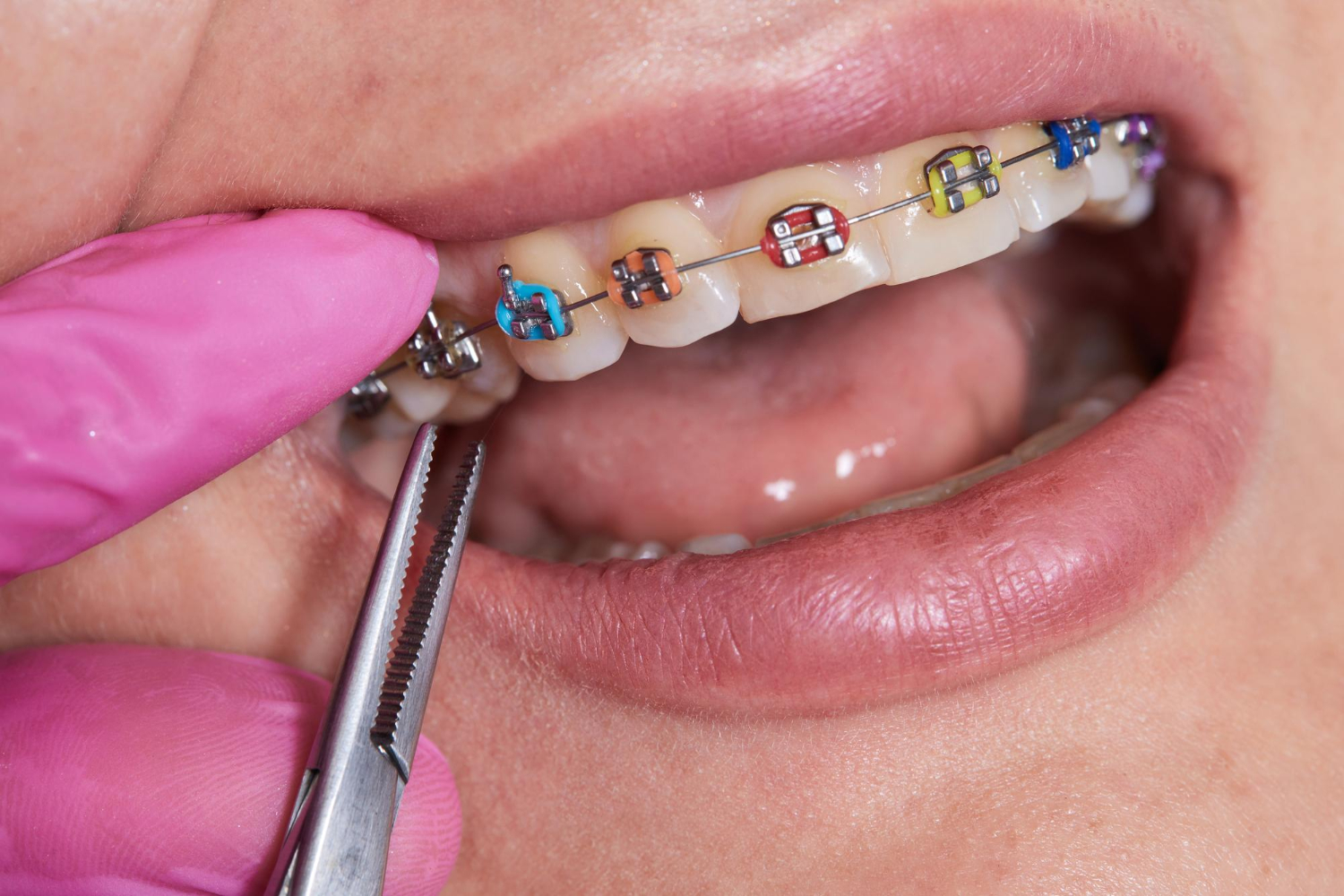
We had a patient in his late thirties sit down last month, visibly frustrated, pointing at a front tooth that had drifted noticeably out of place. He’d worn braces religiously as a teenager, followed every instruction his orthodontist gave him, and assumed that meant his smile was locked in for good. Twenty years later, here he was, needing traditional metal braces again for a problem he thought he’d already solved decades ago.
This happens more often than people expect, and it’s worth understanding why, because relapse isn’t a sign that anything failed the first time around.
Why Teeth Don’t Just Stay Put Forever
Here’s something that surprises a lot of adults. Teeth aren’t fixed in place the way people assume once braces come off. They’re held by ligaments and bone that continue responding to pressure and change throughout your entire life, not just during your teenage years.
Natural aging causes gradual shifting even in mouths that never had orthodontic work at all. Add in whatever pressure originally caused misalignment as a teenager, and that same pressure can slowly reassert itself over the following decades.
The Retainer Gap Nobody Talks About Honestly
We ask this question constantly, and the answer is almost always the same. Most adults stopped wearing their retainer at some point in their twenties, usually because it felt unnecessary once their smile looked stable for a few years straight.
Retainers aren’t a temporary step, they’re meant to continue indefinitely, even if only worn a few nights a week long term. Once that habit fades, whatever forces caused the original misalignment often start working their way back in, sometimes taking years before the shift becomes noticeable enough to bring someone back in for traditional metal braces a second time.
What Actually Triggers Relapse in Adults
- Stopping retainer wear years earlier without realizing the long-term consequence
- Natural bone density changes that happen gradually with age
- Wisdom teeth that were never removed, pushing gradually against neighboring teeth
- Grinding or clenching habits that developed well after the original treatment ended
- Changes in jaw structure that continue subtly into adulthood
Why We Don’t Treat This as a “Redo” of the Same Case
This is important, and we want to be clear about it. Adult relapse cases aren’t identical to the original teenage treatment, even if the visible result looks similar.
Bone density, healing speed and overall treatment timeline all shift with age. Which means traditional metal braces for an adult relapse case often requires a different approach than what worked the first time around. We map out the current situation fresh rather than assuming the old treatment plan still applies.
The Emotional Side of Needing Braces Again as an Adult
We’ve noticed something worth mentioning here that rarely gets brought up. A lot of adults feel a strange sense of failure when they need braces again, like they somehow didn’t do enough to maintain their teenage results. That’s simply not accurate.
Relapse happens due to biological processes largely outside anyone’s control, not because someone slacked off on their retainer by accident once or twice. We try to reassure every patient of this before treatment even begins, because that mental hurdle is often bigger than the treatment itself.
How Long Round Two Typically Takes
Adult relapse cases treated with traditional metal braces tend to move faster than the original teenage treatment did, mainly because the misalignment usually isn’t as severe as it was before treatment the first time.
Many patients see meaningful movement within several months rather than the full multi-year timeline braces sometimes required during adolescence.
Making Sure This Doesn’t Happen a Third Time
At Puri Dentistry, we spend real time on retainer habits after this second round of treatment, since we’ve seen firsthand how easily this cycle repeats without consistent long-term wear.
We’ll walk through a realistic retainer schedule that fits your actual life, not just a generic instruction sheet handed out without any follow-up conversation.
The Bottom Line on Relapse
Needing traditional metal braces again as an adult isn’t a personal failure or a sign of wasted effort from your teenage years.
It’s simply how teeth behave over decades without consistent retention, and understanding that upfront makes the second round feel a lot less discouraging than it did the first time you noticed your smile shifting.