
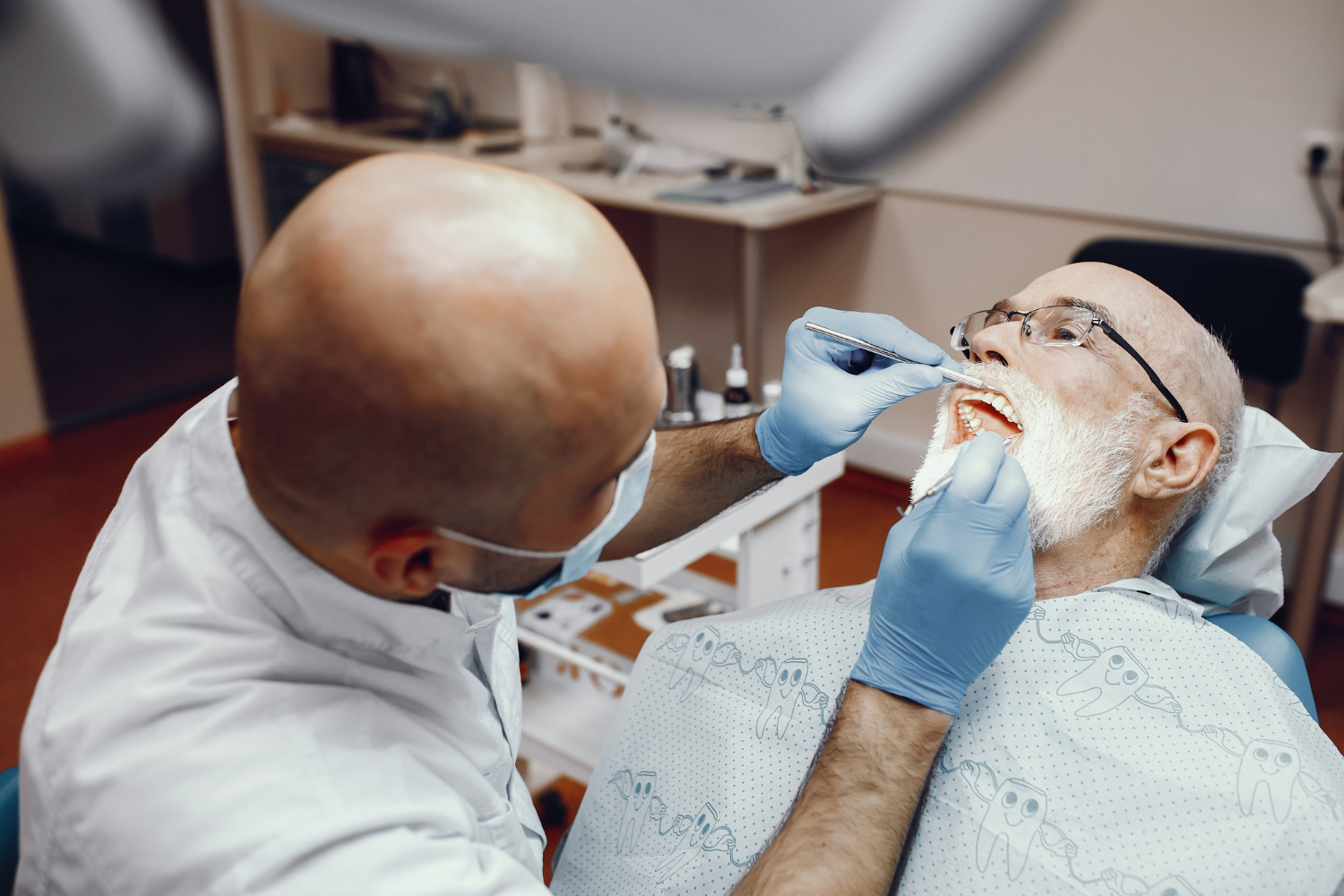
We get asked this a lot, usually in the middle of an unrelated conversation. A patient will be sitting in the chair for a routine cleaning and casually ask, “Do I really need to worry about this yet, or is this more of an older person’s thing?” It’s a fair question, and honestly, we like getting it, because it means people are paying attention instead of assuming screenings are just a formality we run through without reason. So let’s answer it properly. We’re going to walk through how oral cancer screening in Oxnard changes depending on where you are in life, because the honest truth is that risk isn’t static, and neither is how closely we watch for it.
Why We Don’t Treat Every Age the Same Way
Here’s something that surprises people. Oral cancer risk isn’t just about age on its own. It’s about how long certain habits or exposures have had time to build up in your body. A 30-year-old and a 60-year-old sitting in the same chair aren’t just different ages, they’re carrying entirely different histories of sun exposure, alcohol use, tobacco, and even viral exposure that can take decades to show any visible effect.
This is exactly why oral cancer screening in Oxnard looks a little different depending on which decade of life you’re in, even if the actual exam feels almost identical on the surface.
What We’re Watching For at 30
We won’t pretend this age group carries the same risk as someone twice their age, because that wouldn’t be honest. But we’re not skipping the screening either.
At this stage, we’re mostly watching for things tied to newer risk factors, like HPV exposure or vaping habits that have become far more common in the last decade. We’re also building a baseline.
Knowing exactly what your mouth looks like now gives us something to compare against years down the line, which honestly matters more than people realize.
Why 60 Changes the Conversation Completely
By the time patients reach their 60s, we’re looking at a different picture entirely. Decades of sun exposure on the lips, years of alcohol use, a smoking history that may have ended long ago but still left changes behind, all of this adds up.
We increase how closely we look, and frankly, we spend more time checking areas that get skipped in a quick glance, like under the tongue and along the sides of the throat.
This is the age where oral cancer screening in Oxnard becomes less of a quick add-on and more of a genuine priority during every single visit, not just once a year.
The Frequency Question We Get Constantly
People always want a specific number, and we understand why. Here’s our honest answer. For most adults in their 30s with low risk factors, once a year alongside a regular checkup is usually enough.
Once you hit your 50s and 60s, especially with any history of tobacco, heavy alcohol use, or prolonged sun exposure without lip protection, we’ll often suggest checking at every visit instead of waiting for an annual appointment.
The Screening Signs We’re Trained to Notice (That You Might Not)
We’re not just glancing and moving on. Here’s what we’re trained to catch.
- A patch of tissue that looks slightly different in texture, not just color
- A sore that hasn’t healed within two weeks
- Numbness in an area with no obvious cause
- A subtle asymmetry between the left and right sides of the mouth or throat
Most of these are things patients wouldn’t notice themselves, which is exactly the point of coming in rather than waiting for symptoms to become obvious.
Why We Bring This Up Even When Patients Don’t Ask
We’ve found that a lot of people assume screenings are only relevant if they smoke or drink heavily. That’s simply not accurate anymore.
At Puri Dentistry, we screen every adult patient regardless of lifestyle, because some of the newer risk factors we mentioned earlier don’t care about age or habits the way older risk factors used to.
The Bottom Line on Age and Risk
Risk builds over time, but that doesn’t mean younger patients are in the clear or older patients should feel alarmed every visit. It means the approach shifts.
Oral cancer screening in Oxnard isn’t about scaring anyone into more appointments. It’s about matching how closely we look to what your history suggests, and adjusting that as the years go on.