
Key Takeaways
- Braces Are for Everyone: People of all ages can use braces to fix crooked teeth and bite problems. This helps their smiles and makes them feel better about themselves.
- Metal Braces Work Well: They are strong and can fix tough teeth problems faster than clear braces.
- Getting Used to Braces: It might hurt a little at first, but that goes away quickly. Using wax, eating soft foods, and brushing your teeth well can help you feel better in a few weeks.
- Everyday Life Changes: You can still do most of the things you do. Just eat some softer foods and keep your teeth clean for the best results.
- Good Reasons to Get Braces: Braces take about 18–24 months to work, but they give you a healthier, nicer smile in the end.
Let’s be honest: getting braces as an adult can feel awkward at first. You picture yourself walking into a meeting, smiling with a mouth full of brackets, and wondering what people think. The truth? More adults are getting braces than ever, and once treatment starts, most realize nobody cares as much as they thought. What really matters is the end result, a healthier bite and a smile you actually feel good showing. At Puri Dentistry in Oxnard, we’ve seen plenty of adults go from nervous to confident, and that shift is always worth it.
Why Braces Aren’t Just for Teenagers
Many people grew up believing braces were something you “missed out on” if you didn’t do it in high school. That old mindset has kept grown-ups from fixing teeth that bother them. But these days, you’ll see people in their 30s, 40s, even 60s making the decision.
Why? Because problems don’t magically go away with age. Crooked teeth can cause jaw tension, headaches, or uneven wear. And when it comes to confidence, being unhappy with your smile doesn’t have an age limit.
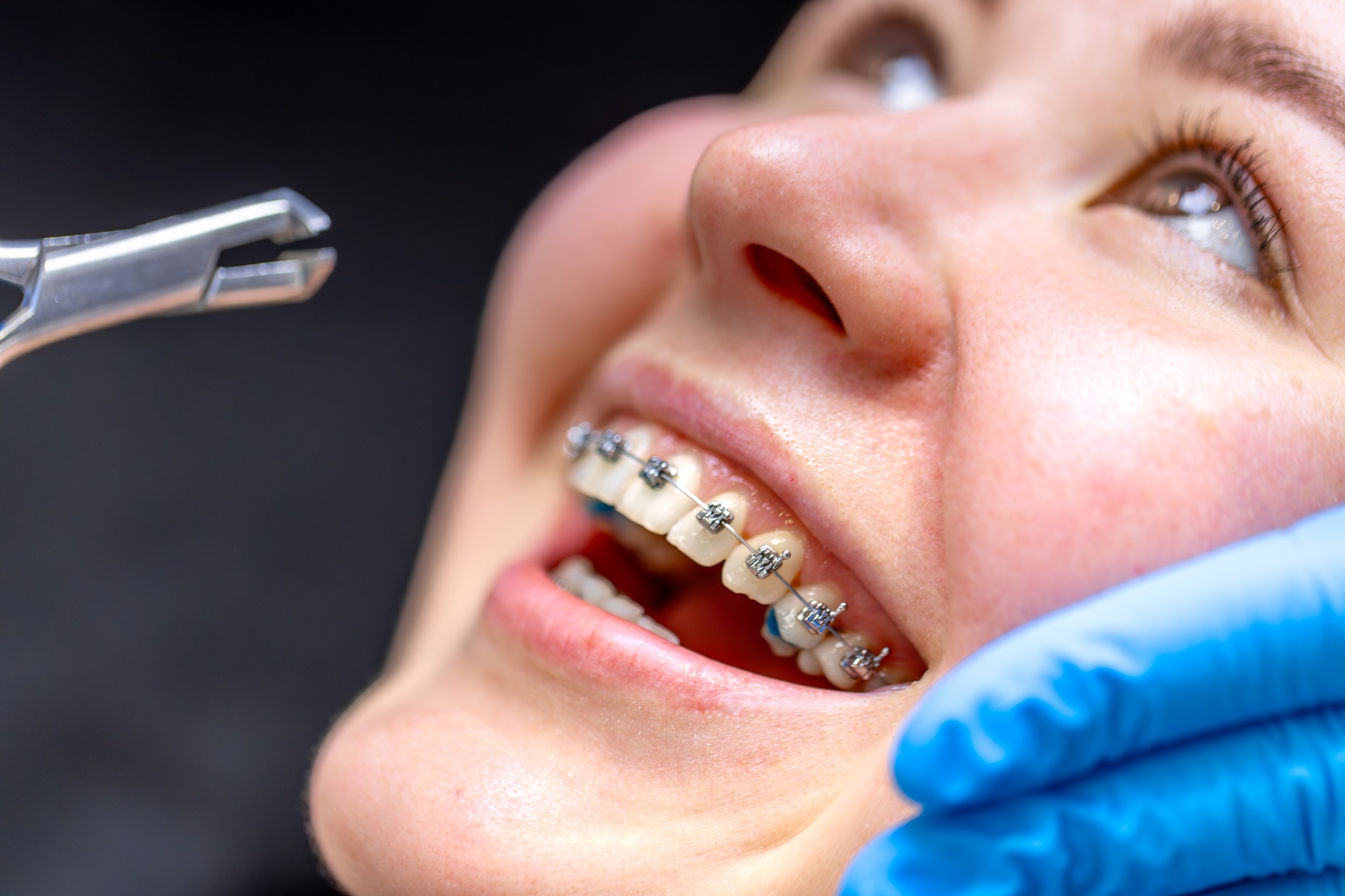
Metal braces for adults are simply a tool, just like glasses or contacts. They solve a problem, and then you move on with better health.
Why Metal Braces Still Make Sense
Yes, clear aligners and ceramic options exist. But metal braces for adults remain the workhorse. They can handle tough jobs: serious crowding, overbites, or spacing issues that aligners sometimes can’t fix.
Another plus? They’re durable. Metal brackets don’t chip or stain the way ceramic can, and treatment time can be shorter for certain cases. The look has changed too; modern brackets are smaller and sit flatter against the teeth than the bulky ones you may remember from school days.
Getting Comfortable: Small Adjustments That Help
Nobody likes the idea of sore teeth. Here’s what helps most patients:
- Wax on the brackets to stop rubbing.
- Softer foods for a few days after adjustments.
- Warm salt water rinses to calm sore spots.
- Extra care brushing and flossing to avoid gum irritation.
Most adults tell us the first couple of weeks are the hardest, and then braces become just another part of life. Like wearing a watch, you notice it at first, then forget it’s there.
What Daily Life Really Looks Like
The fear of “everyone staring” is usually worse than reality. At work or out with friends, people are focused on themselves, not your braces. Some may notice and even ask about it, but often their reaction is positive. More than once, we’ve heard: “I’ve been thinking about it too. How is it so far?”
Food is the other big concern. Sticky caramels or popcorn kernels? Best avoided. But pasta, chicken, rice, veggies, and most favorites stay on the menu. Many patients carry floss picks or a travel toothbrush for after lunch. Once it’s a habit, it feels easy.
Top Concerns Adults Ask About
- “Will I look less professional?”
Honestly, no. Plenty of adults wear braces now, including professionals, and it’s often seen as a sign you care about yourself. - “How long will it take?”
Typical treatment runs about 18–24 months. For complicated cases, metal braces can actually move teeth faster than aligners. - “What if people judge me?”
By the time treatment ends, the only thing people usually notice is your new smile.
Stories From Our Patients
One patient, a mother in her 40s, said she felt silly at first sitting in the chair next to the teens. A year later, her teens were the ones cheering her on. Another, a business owner, was worried clients would focus on his braces. Instead, he told us people barely noticed; what they did notice was his growing confidence.
These stories are reminders that the braces themselves aren’t the focus. The real story is the outcome.
Things to Keep in Mind Before Starting
- You’ll need to show up for adjustments regularly.
- Diet changes are temporary.
- Retainers after treatment are non-negotiable if you want results to last.
- It’s an investment of time, but the payoff is decades of easier chewing and better confidence.
Think of it like training for a race, you commit for a season, and then you enjoy the benefits long after.
The Takeaway
Metal braces for adults aren’t something to be embarrassed about, they’re a practical, proven solution. Yes, they take time. Yes, there’s an adjustment phase. But the stigma is weaker than ever, and once you finish, the confidence boost is undeniable.
At Puri Dentistry in Oxnard, we’ve guided many adults through this process. The common reaction when the braces finally come off? A big smile and the same words almost every time: “I should’ve done this sooner.”