
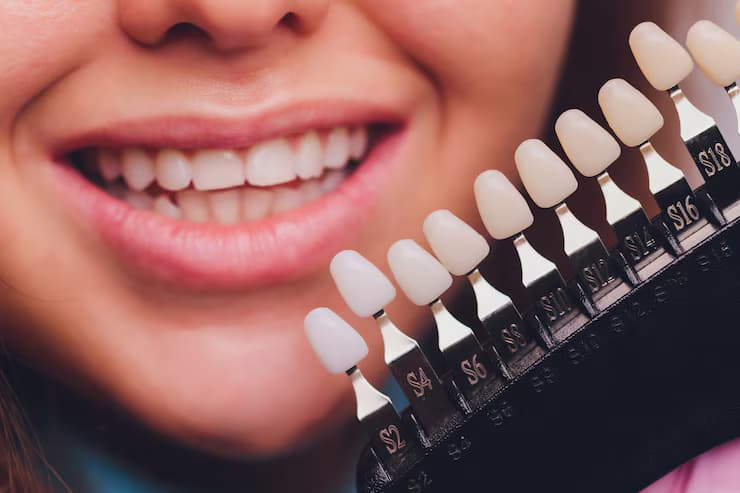
Key Takeaways
- Porcelain veneers are often chosen to protect weakened enamel, not just enhance aesthetics.
- Whitening and bonding work well for healthy teeth but may fail on worn or chipped enamel.
- Repeated bonding repairs can remove more tooth structure over time than a well-planned veneer.
- Veneers help redistribute bite forces, reducing future chipping and edge breakdown.
- The safest cosmetic option depends on tooth structure, bite forces, and enamel thickness, not just appearance goals.
If your teeth are worn, chipped, or uneven, how do you know which cosmetic treatment is actually safe for the long term?
Many patients begin by exploring whitening or dental bonding because they seem less invasive. However, when enamel has thinned or tooth edges have weakened, these simpler options may not provide the protection your teeth need. In those cases, porcelain veneers in Oxnard are often recommended not just for appearance, but for structural stability.
Modern cosmetic dentistry focuses less on quick fixes and more on protecting teeth from further breakdown. Veneers are increasingly used as a preventive cosmetic solution for patients whose teeth are already showing signs of wear.
Why Cosmetic Dentistry Must Start with Enamel Health
Cosmetic treatments are only as successful as the tooth structure underneath them. Teeth that appear chipped or uneven are often showing early signs of enamel fatigue caused by grinding, acidic diets, or years of normal wear. When enamel thins, teeth become more vulnerable to sensitivity, fractures, and repeated cosmetic failure.
Dentists recommending porcelain veneers in Oxnard often do so because veneers reinforce the remaining enamel. Rather than repeatedly repairing small defects, veneers create a stable outer surface that protects the tooth from daily stress.
When Teeth Whitening Can Make Problems Worse
Teeth whitening only changes color; it does not repair damage. For patients with worn or chipped teeth, whitening can unintentionally highlight uneven edges and increase sensitivity by exposing underlying dentin.
Whitening is typically less effective, and sometimes counterproductive, when enamel is already thin. In these situations, porcelain veneers in Oxnard provide controlled color correction while restoring uniform tooth shape and surface strength.
Dental Bonding Has Limits for Worn Teeth
Dental bonding is an excellent option for minor, isolated imperfections. However, composite resin is softer than both natural enamel and porcelain. When bonding is used on teeth exposed to heavy bite forces or grinding, it often chips, stains, or wears down over time.
Patients who return repeatedly for bonding repairs may unknowingly lose more natural tooth structure with each adjustment. In contrast, a properly planned veneer often requires less cumulative enamel removal and offers significantly greater durability.
When Veneers Become the Safer Choice
Veneers are frequently recommended when cosmetic concerns are combined with functional risk. Teeth that have shortened edges, repeated fractures, or generalized wear are often under excessive bite stress. Veneers help distribute that stress more evenly across the tooth surface, reducing the likelihood of future damage.
Rather than patching individual chips, veneers stabilize the entire visible portion of the tooth. This is why dentists often consider veneers a protective restoration for patients with ongoing enamel breakdown.
Comparative Cosmetic Planning: Thinking Beyond Today’s Results
High-quality cosmetic dentistry evaluates how teeth will function years from now, not just how they look after treatment. Dentists assess bite patterns, enamel thickness, jaw movement, and long-term maintenance before recommending veneers, bonding, or whitening.
This approach ensures that cosmetic improvements don’t unintentionally accelerate wear or sensitivity. For many patients, porcelain veneers in Oxnard provide the most predictable balance between beauty, strength, and longevity.
What Makes Porcelain Veneers Durable?
Porcelain closely mimics the strength and translucency of natural enamel. Unlike bonding, it resists staining and maintains its shape under normal chewing forces. When combined with proper bite planning, veneers can last many years while protecting the underlying tooth.
Maintenance focuses on regular cleanings and, when needed, protective night guards for patients who clench or grind.
Choosing a Cosmetic Solution That Protects Your Smile
Cosmetic dentistry should never compromise tooth health. When teeth are worn or chipped, choosing the safest option matters more than choosing the quickest one. For many patients, porcelain veneers in Oxnard offer a durable, protective solution that reduces future damage while improving appearance.
A comprehensive evaluation helps determine whether veneers, bonding, or whitening best suits your enamel and bite. At Puri Dentistry, cosmetic planning is focused on long-term stability, so your smile remains healthy, comfortable, and confident for years to come.
FAQs
Are porcelain veneers permanent?
Veneers are considered a long-term solution. While they may eventually need replacement, they are designed to last many years when properly planned and maintained.
Do veneers damage natural teeth?
When recommended appropriately, veneers often protect compromised enamel rather than harm it. Conservative preparation is a key part of modern veneer planning.
Can veneers help with teeth worn down from grinding?
Yes, veneers can restore lost tooth structure. Dentists typically also address grinding habits to protect the veneers long term.
Is bonding ever better than veneers?
Bonding is ideal for small, low-stress repairs. For generalized wear or repeated chipping, veneers are usually more stable.
Will veneers look natural?
Modern porcelain is designed to replicate natural enamel in color, translucency, and texture, creating a realistic appearance.