
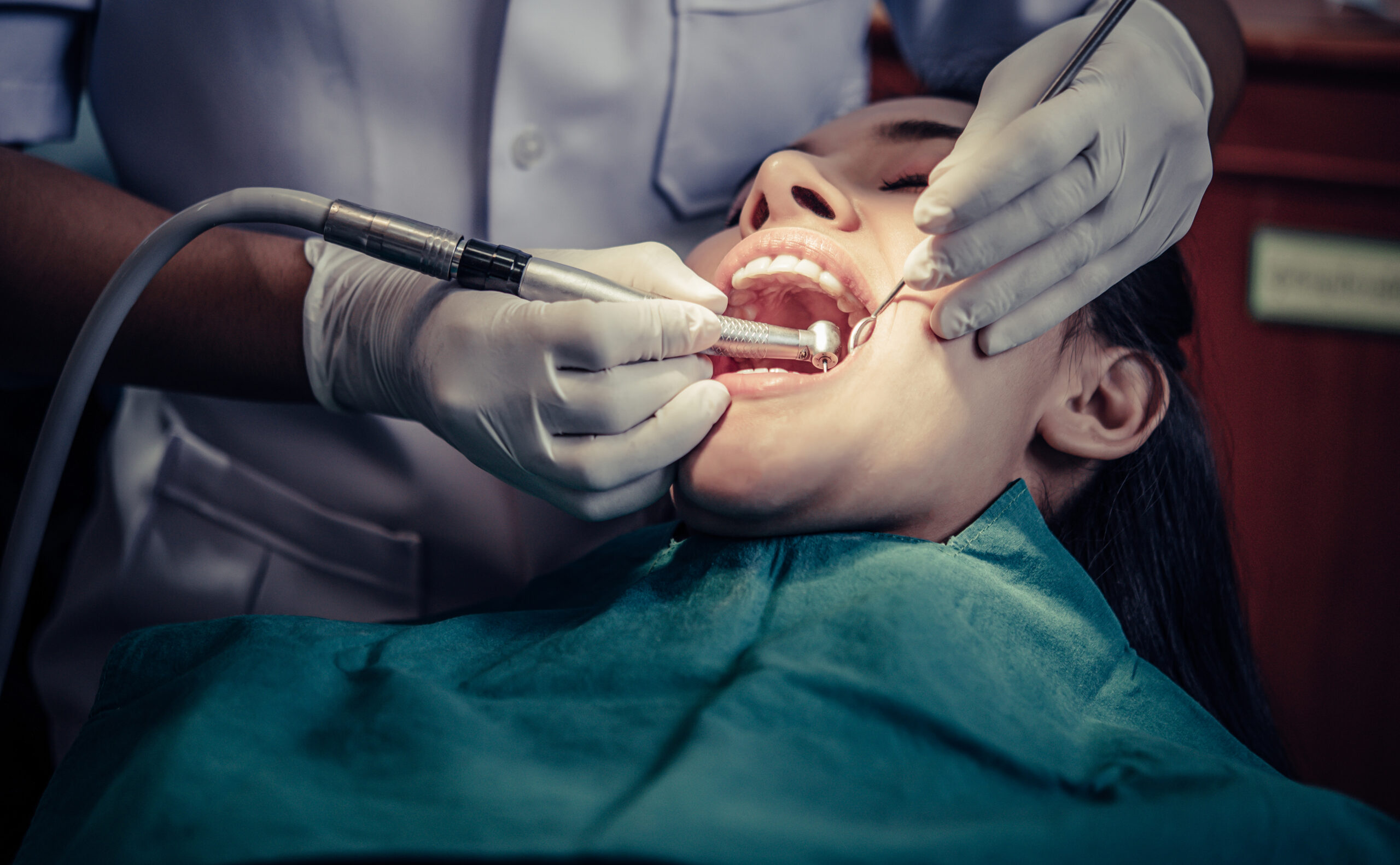
Is wisdom teeth removal always necessary, or does it depend on the person? The truth is, there’s no one-size-fits-all answer. Wisdom teeth removal today is far more personalized than it was even a decade ago. Dentists now evaluate age, jaw space, tooth angle, and nerve position before recommending removal, ensuring treatment is based on anatomy and risk, not routine.
For patients in Oxnard, understanding why your dentist may suggest early removal, or careful monitoring instead, can help you make confident, informed decisions about your oral health.
Why Wisdom Teeth Aren’t Automatically Removed Anymore
In the past, wisdom teeth were often removed as a precaution. Today, dentists take a more conservative, data-driven approach. Wisdom teeth removal is recommended only when the tooth’s position, development, or surrounding structures pose a future risk.
That’s where personalized planning comes in, especially important in adults and older teens whose anatomy can vary significantly.
Factor #1: Age and Root Development
Age is one of the strongest predictors of surgical complexity.
Younger Patients (Mid-Teens to Early 20s)
- Roots are still forming
- Bone is more flexible
- Lower risk of nerve involvement
- Faster healing and fewer complications
This is why many dentists recommend proactive wisdom teeth removal during late adolescence, before problems start.
Adults (Late 20s and Beyond)
- Fully developed roots
- Denser bone
- Higher chance of infection history or decay
In adults, removal is still safe, but planning becomes more critical. Digital imaging helps assess whether the benefits outweigh the risks.
Factor #2: Jaw Space: Not Just Eruption
A common myth is that if wisdom teeth erupt, they’re “fine.” In reality, an eruption alone doesn’t guarantee safety.
Dentists evaluate:
- Available space behind the second molars
- Tooth angulation (upright, tilted, or horizontal)
- Risk of food trapping and decay
Even partially erupted wisdom teeth can:
- Trap bacteria under the gum
- Cause repeated inflammation
- Damage adjacent molars
Limited jaw space often leads to chronic issues that make wisdom teeth removal the more preventive option.
Factor #3: Nerve Position and Surgical Risk
One of the most important considerations, especially for lower wisdom teeth, is proximity to the inferior alveolar nerve, which provides sensation to the lower lip and chin.
When nerves lie close to the tooth roots:
- Advanced imaging is essential
- Surgical technique must be modified
- In some cases, staged or partial removal is considered
Modern digital scans allow dentists to map nerve location precisely, minimizing risk and guiding safer treatment decisions.
How Digital Imaging Personalizes the Treatment Plan
Traditional X-rays provide a flat view. Digital 3D imaging, however, shows:
- Exact root shape and depth
- Nerve pathways
- Bone density and tooth orientation
This technology allows dentists to:
- Decide if removal is necessary
- Choose the safest surgical approach
- Plan sedation and recovery expectations
For Oxnard patients, this means fewer surprises and more predictable outcomes.
When Monitoring Is Better Than Removal
Not every wisdom tooth needs to come out. Dentists may recommend monitoring if:
- The tooth is fully erupted and cleanable
- There’s adequate jaw space
- No decay, infection, or bone loss is present
Regular exams and imaging ensure that if conditions change, action can be taken before pain or infection develops.
The Risk of Waiting Too Long
Delaying needed wisdom teeth removal can lead to:
- Sudden infections
- Damage to neighboring molars
- Bone loss that complicates surgery later
Emergency removal is often more uncomfortable, and more costly, than planned treatment.
Making the Right Decision for Your Smile
Wisdom teeth removal shouldn’t be automatic, it should be informed. With today’s imaging and personalized planning, dentists can recommend treatment that protects your long-term oral health without unnecessary intervention.
If you’re unsure whether your wisdom teeth need attention now or later, a comprehensive evaluation can help clarify the safest path forward. A consultation with Puri Dentistry allows Oxnard patients to understand their anatomy, risks, and options, before problems arise.