
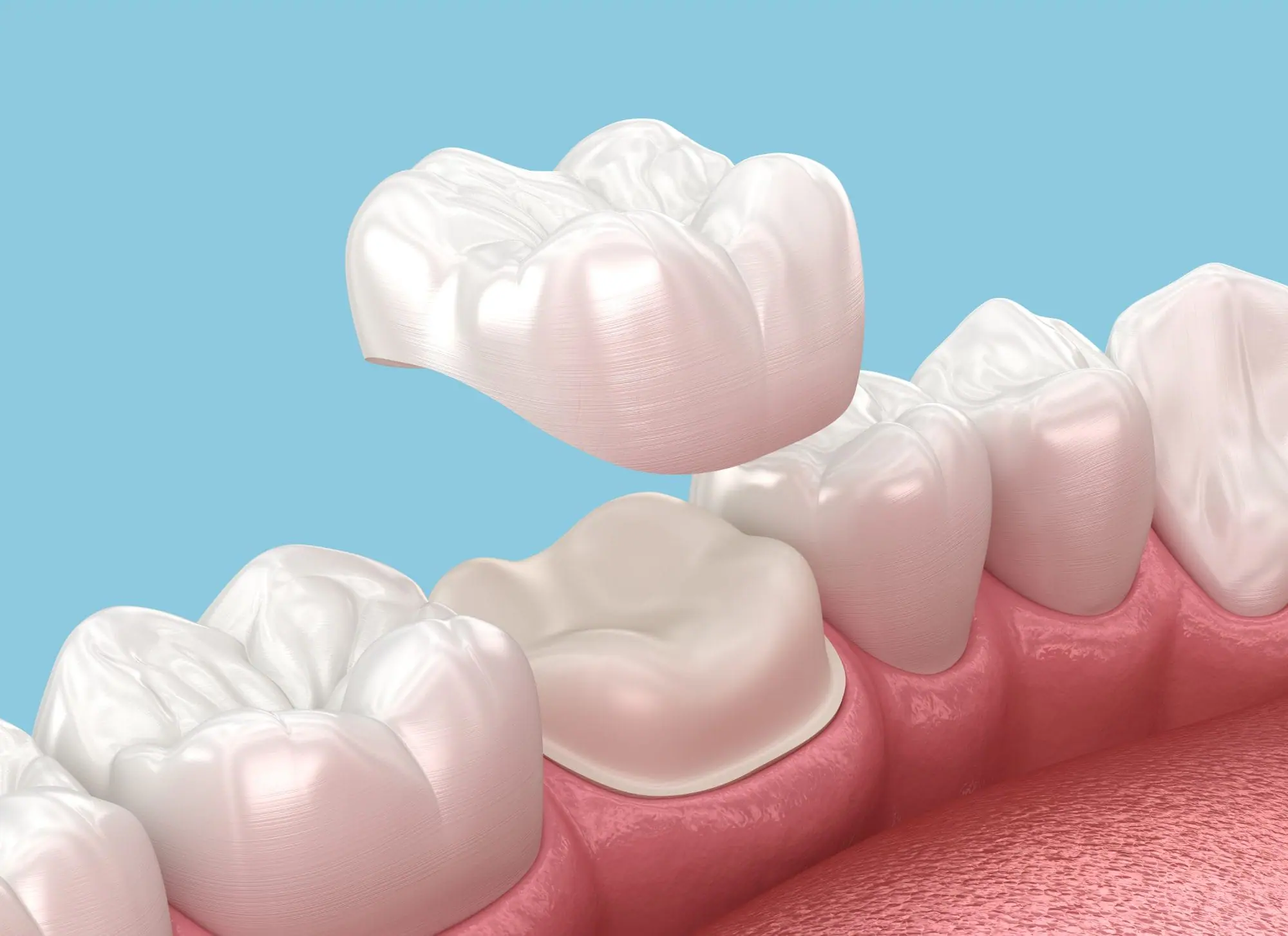
Do you chew hard or grind your teeth and worry about how long a crown will last?
Many patients ask whether certain crowns hold up better than others, especially if they know they clench or grind. It’s a fair concern. When people search which tooth crowns are best, they’re often trying to avoid repeated breakage, discomfort, or costly replacements.
At Puri Dentistry, we explain that crowns don’t fail randomly. They fail when the material and design don’t match how the mouth actually functions. Knowledge of the way that force is transmitted through a crown assists dental practitioners to make decisions that are long-lived among heavy chewers and grinders.
Why Heavy Chewing and Grinding Increase Crown Failure Risk
Chewing forces vary from person to person. Some patients apply significantly more pressure when biting, especially those who clench during the day or grind at night. This constant force places stress not only on the crown, but also on the natural tooth underneath.
Grinding creates side-to-side forces that are especially damaging. These forces can cause cracks, wear, or loosening over time. When crowns are not designed to handle this stress, they may fracture or fail earlier than expected. That’s why dentists factor in chewing habits before recommending a crown.
How Dentists Evaluate Bite Force and Grinding Patterns
Before deciding which tooth crowns are best, we evaluate how your teeth come together. Bite marks, wear patterns and jaw movement all give evidence on the level of force and the direction of the force.
Grinding is often evidenced by flattened teeth, or even chipped edges, or even by existing restorations that have an appearance of wear. We also enquire about sore jaws, sore heads, or wearing of night guards. This information is useful in predicting the amount of pressure that a crown will undergo on a daily basis and selecting materials with which it can sustain it.
Crown Materials and How They Handle Force
Crown materials are not all equal with respect to pressure. There are also some materials that appear natural but are not quite robust to high forces. There are those that are designed to be strong and durable.
The more robust materials spread the force on the crown instead of it being concentrated in one area. This will minimize the chances of cracking and safeguard the underlying tooth. In the event of equal distribution of forces, the crown will act together with the tooth rather than opposing to one another.
Why Zirconia Crowns Are Often Preferred for Grinders
The use of zirconia crowns is usually suggested to patients who have a high level of chewing or grinding. Zirconia is quite a tough material which is not prone to cracking and is well able to take pressure.
Because zirconia crowns are dense and durable, they are less likely to chip under stress. They also maintain their shape over time, which helps preserve bite balance. For back teeth that take the most force, zirconia is often one of the safest options.
How Fracture Risk Influences Crown Design
Fracture risk depends on more than just material. Crown thickness, shape, and how it fits into the bite all matter. Even with a strong material a crown which is too thin or is not in the proper orientation can fail.
We design crowns to support natural chewing patterns. This includes adjusting the bite so the crown doesn’t take more force than surrounding teeth. Proper design reduces stress points and helps prevent fractures over time.
Why Softer Crowns May Not Be Ideal for Heavy Chewers
Some crown materials are softer and more flexible. While these can look very natural, they may wear down faster in patients who grind or clench.
In heavy chewers, softer crowns can develop flat spots, cracks, or loosen over time. This doesn’t mean these crowns are bad, it means they are better suited for patients with lighter bite forces. Matching the crown to the bite is key.
The Role of Night Guards in Protecting Crowns
Even the strongest crown can be damaged by constant grinding. That’s why dentists often recommend night guards for patients with bruxism.
A night guard absorbs and redistributes force, protecting both natural teeth and crowns. At Puri Dentistry, we view night guards as part of the long-term plan, not an optional add-on, when grinding is present.
How Dentists Decide Which Tooth Crowns Are Best for You
When deciding which tooth crowns are best, we look at the full picture. Bite force, tooth location, grinding habits, and long-term goals all play a role.
We also look at the way the crown is going to mix with antagonistic teeth. A crown should be strong without causing damage elsewhere. This moderate manner of doing things contributes to the extended wear and comfort of crowns.