
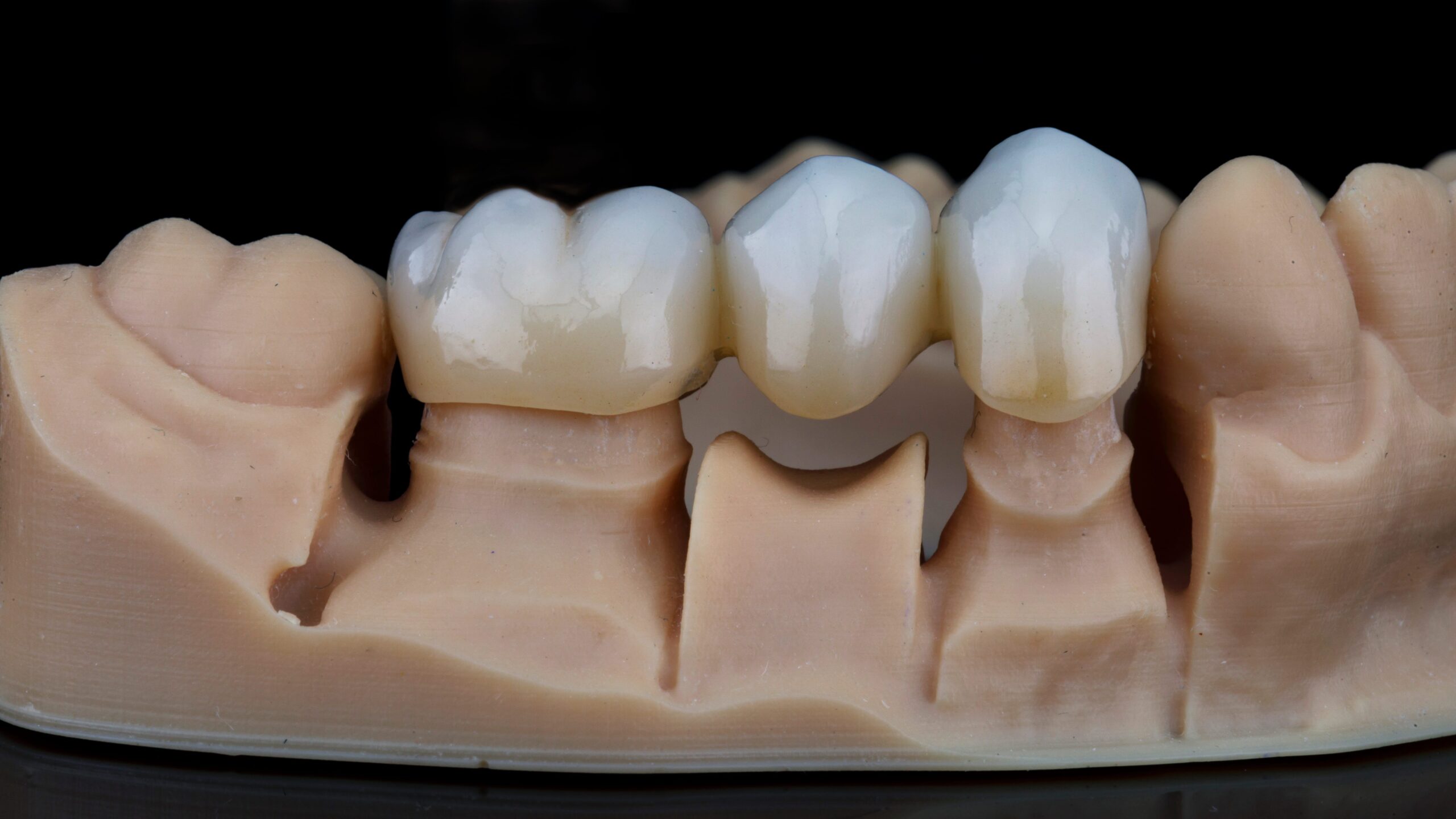
Are you considering a dental bridge and wondering what life looks like after it’s placed?
Many patients focus on how a dental bridge will fill a gap in their smile, but fewer think about what’s required to keep it healthy long-term. It’s common to search for things you should know before considering a dental bridge because the decision affects more than just appearance.
At Puri Dentistry, we help patients understand that a dental bridge is not just a replacement tooth, it’s a restoration that depends heavily on bone support, gum health, and daily hygiene habits. Knowing these factors ahead of time helps patients avoid surprises later.
How a Dental Bridge Works in Real Life
A dental bridge replaces one or more missing teeth by anchoring to neighboring teeth, called abutment teeth. These supporting teeth carry extra load, which means they must be strong enough to handle additional chewing forces.
The bridge itself does not replace the tooth root. Instead, it relies on the surrounding teeth and gums for stability. This makes proper evaluation essential before committing to treatment. A bridge can function very well, but only when the foundation is healthy.
Why Bone Support Matters More Than Many Patients Realize
Bone support plays a major role in the success of a dental bridge. When a tooth is missing, the jawbone in that area can gradually shrink over time. While a bridge fills the visible gap, it does not stimulate the bone underneath.
If bone loss is already present, it can affect gum stability around the bridge. Over time, this may lead to gaps forming under the bridge, making it harder to clean and increasing the risk of gum disease. Dentists assess bone levels carefully to ensure the bridge will remain stable and healthy.
The Impact of a Dental Bridge on Neighboring Teeth
To support a dental bridge, adjacent teeth often need to be reshaped and crowned. This means healthy tooth structure may be altered to anchor the bridge securely.
These supporting teeth take on more stress during chewing. If they are already weakened or heavily filled, the long-term risk of fracture or decay increases. Dentists evaluate whether these teeth are strong enough before recommending a bridge, because the health of the entire restoration depends on them.
Hygiene Demands: What Daily Care Really Involves
One of the most important things you should know before considering a dental bridge is the level of hygiene required. Bridges cannot be cleaned the same way as natural teeth.
Food and plaque can collect under the bridge, especially near the gums. Patients need to use special flossing tools, such as floss threaders or water flossers, to clean beneath it daily. Without consistent cleaning, gum inflammation and decay around the supporting teeth can develop.
Why Gum Health Is Critical for Bridge Longevity
Healthy gums help support the bridge and protect the underlying bone. If gum disease develops, it can weaken the support around the bridge and compromise the abutment teeth.
Gum inflammation around a bridge often goes unnoticed at first. Regular dental visits and good home care are essential to catch problems early. When gum health is maintained, bridges can last much longer and remain comfortable.
A Dental Bridge Is a Long-Term Commitment
A dental bridge is not easily reversible. Once supporting teeth are prepared, they will always need coverage in some form. This is why dentists encourage patients to think long-term before committing.
Bridges can last many years, but they may eventually need repair or replacement. Understanding this upfront helps patients plan realistically and choose a solution that fits their lifestyle and maintenance ability.
How Dentists Decide If a Dental Bridge Is the Right Option
When deciding whether a bridge is appropriate, we evaluate bone levels, gum health, bite forces, and oral hygiene habits. We also consider whether a patient is comfortable with the daily cleaning routine required.
At Puri Dentistry, we discuss alternatives when needed and explain why a bridge may or may not be the best choice for a specific situation. The goal is to choose a solution that remains healthy and functional over time.