
Have you been told you need more than a filling but less than a crown?
This is where many patients feel confused. If a tooth is damaged, it’s natural to assume the next step is a crown. That’s why people often ask how inlays and onlays work and whether they are truly different from traditional fillings or crowns.
At Puri Dentistry, we explain inlays and onlays as conservative restorations. They are designed to repair damage while protecting the healthy parts of the tooth that do not need to be removed.
What Inlays and Onlays Are in Practical Terms
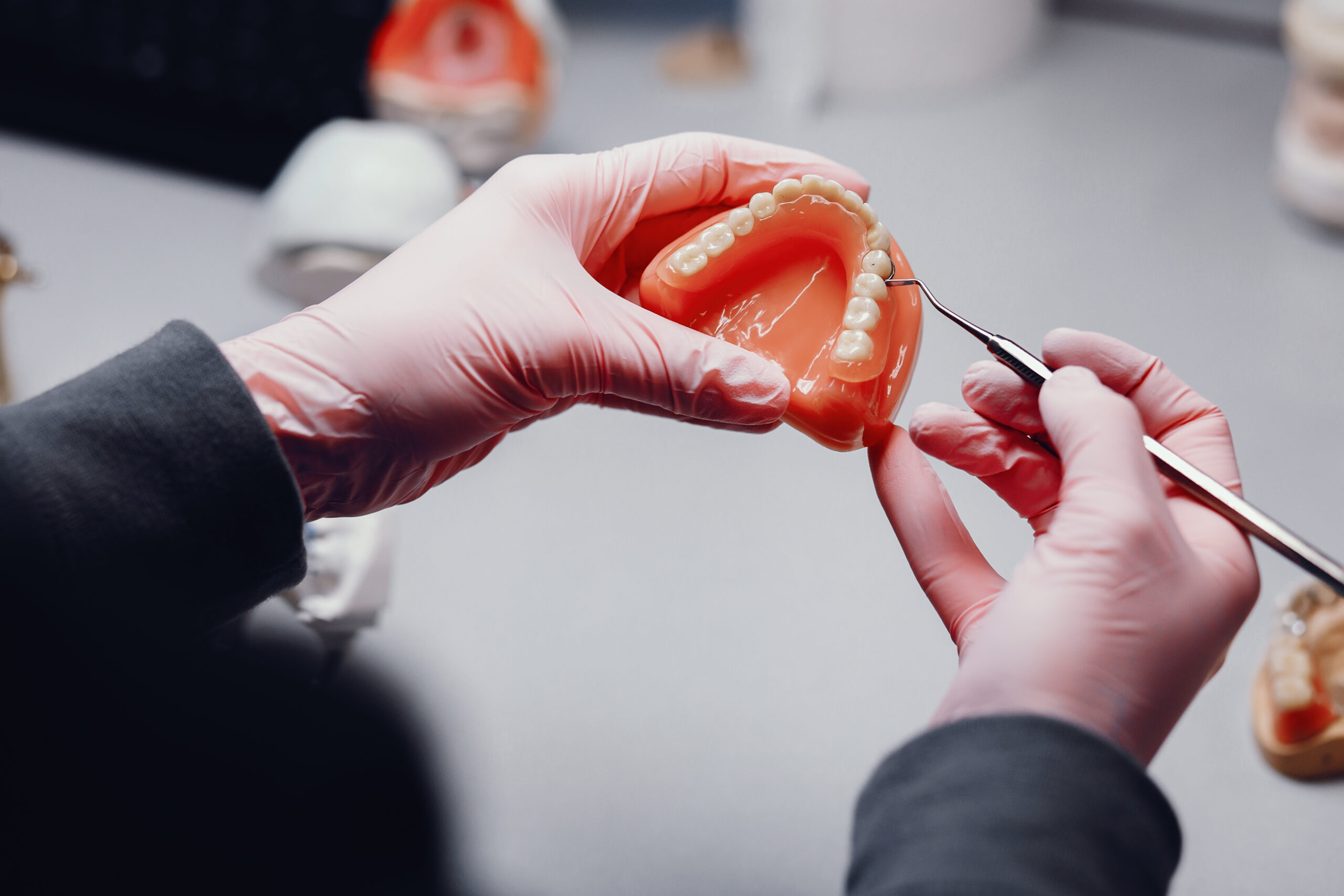
Inlays and onlays are personalized restorations which fit into or onto a broken tooth. An inlay is placed into the grooves of a tooth, whereas an onlay protrudes over one or more cusps (sharps of an upper tooth, which are used to chew).
Inlays and onlays are also made to resemble the anatomy of a tooth unlike fillings which are shaped directly in the mouth. They are not in all of the tooth as crowns. This is a precise method through which dentists can achieve restoration without saccharine tooth cut.
Why Conservative Dentistry Matters
The tooth structure that is occurring naturally is tougher than anything in the teeth. Conservative dentistry is concerned with the preservation of as much of that structure as possible and nevertheless dealing with damage.
Loss of tooth structure which is healthy makes a tooth weak. Inlays and onlays allow preserving long-term tooth integrity by exclusively reducing the preparation to damaged regions. This will minimize the chances of fractures and subsequent restorative requirements.
How Inlays and Onlays Work to Reinforce the Tooth
The restoration of the tooth through inlays and onlays involves placement of the restoration in the weakened parts and strengthening it internally. When attached, they are included in the tooth to make it deal with the chewing forces more evenly.
This reinforcement helps to avoid the spreading of the cracks and to resist the cracking of the thin tooth walls. Since they are hand-made, they are more accurate in restoring the natural shape and bite functionality of the tooth, compared to large fillings.
When Dentists Recommend Inlays or Onlays Instead of Fillings
Fillings work well for small to moderate cavities. However, when damage is larger or involves the chewing surface, fillings may not provide enough support.
Dentists recommend inlays or onlays when:
- A filling would be too large or weak
- Tooth structure around the cavity is thin
- There is a risk of future fracture
- The tooth needs added strength but not full coverage
This decision is based on protecting the tooth long-term, not escalating treatment unnecessarily.
Why Inlays and Onlays Can Prevent the Need for Crowns
Crowns require reshaping the entire tooth, including areas that may still be healthy. Inlays and onlays avoid this by focusing only on damaged sections.
By preserving cusps and enamel that are still strong, these restorations often delay or eliminate the need for a crown. This is especially valuable for teeth that are structurally compromised but not severely damaged.
Materials Used for Inlays and Onlays
Inlays and onlays are commonly made from porcelain or ceramic materials. These materials are strong, durable, and designed to blend with natural teeth.
They are also more wear-resistant than traditional fillings and maintain their shape under chewing pressure. Dentists choose materials based on tooth location, bite force, and aesthetic needs.
How Dentists Decide If an Inlay or Onlay Is Right
In analyzing a tooth we would examine the size of the cavity, tooth structure which is left over and the functionality the tooth would perform during the bite. Clinical examination and X-rays can assist in identifying that the tooth can be conservatively restored.
At Puri Dentistry, we also consider long-term outcomes. If an inlay or onlay can protect the tooth while preserving healthy structure, it is often the preferred choice over a crown.
What Happens If Damage Is Left Untreated
Cracks may develop in the long run, provided that a damaged tooth is untreated or restored with a too-weak filling. Such cracks can end up fracturing the teeth or extracting them.
The timely application of inlays and onlays will help avoid such a development. They firm up the tooth and before further aggressive treatment is required.