
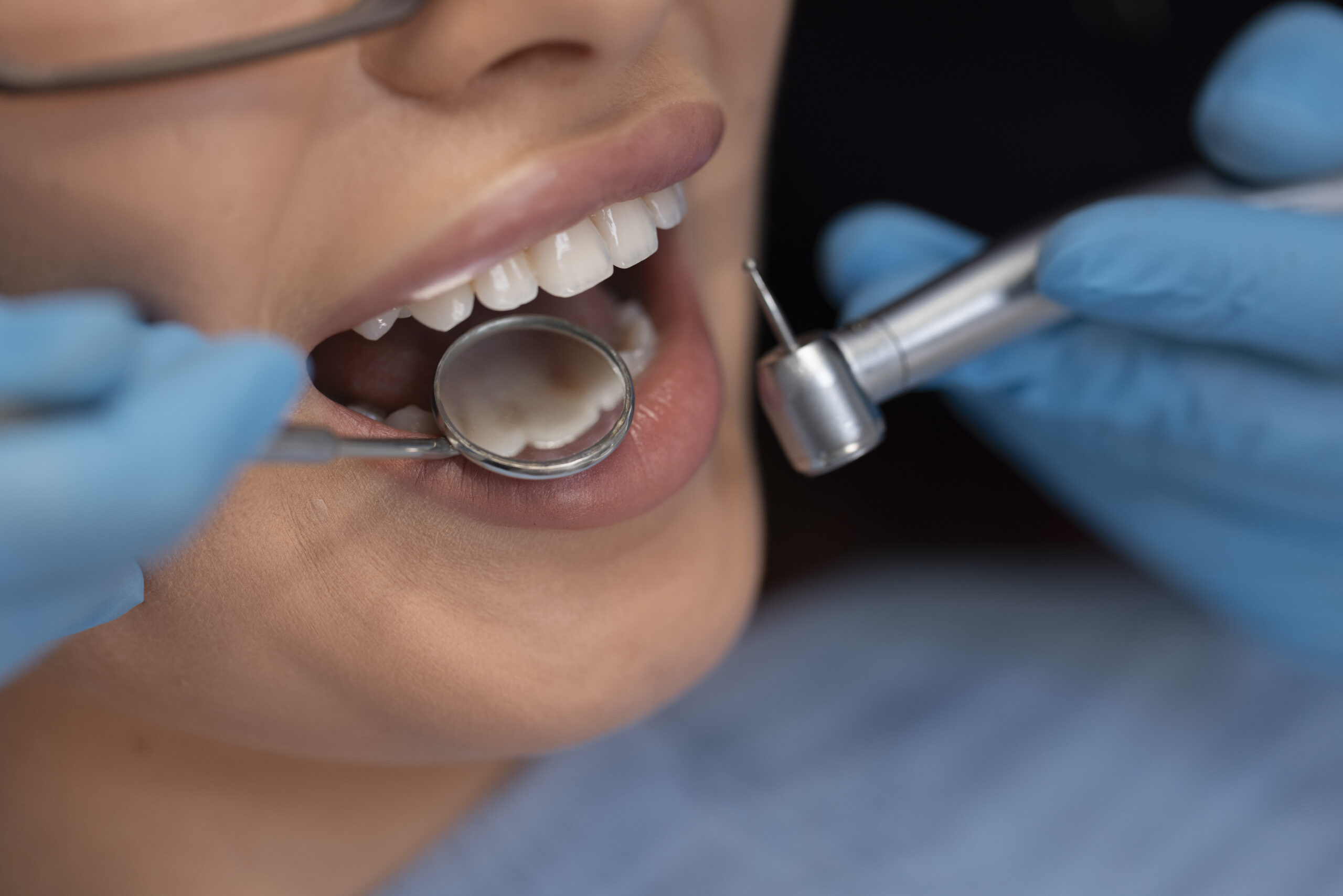
Why does dental bonding last years for some people, but chip or stain quickly for others? When patients search for “dental bonding near me”, they’re often looking for a simple, affordable cosmetic fix. Bonding can be an excellent solution, but only when it’s used on the right tooth, under the right conditions. Bite pressure and enamel thickness play a far bigger role in longevity than most patients realize. This is where professional case selection, not cosmetic shortcuts, makes all the difference.
This article explains why some bonding succeeds long term, why others fail early, and how dentists evaluate whether bonding is truly the best option.
Why Dental Bonding Isn’t Just a Cosmetic Decision
Dental bonding is a procedure that uses a tooth-colored material called composite resin to fix small issues with teeth, like chips, gaps, or reshaping. While this material has improved over time, it still acts differently than natural tooth enamel or porcelain. Bonding works best on healthy, thick enamel and under light pressure.
When dentists suggest dental bonding, they consider not just how the tooth looks but also how well it will work for chewing, speaking, and grinding at night.
Bite Pressure: The Hidden Cause of Early Bonding Failure
Not all teeth experience the same forces. Front teeth, back teeth, and edge-to-edge bites each apply pressure differently. Bonding placed on teeth that absorb heavy bite forces, especially during grinding, faces a higher risk of chipping or wear.
Patients who grind their teeth, clench their jaws, or have teeth that meet edge-to-edge often face bonding failures. This usually happens not because the dental work was done poorly, but because the tooth was put under too much pressure. If a dentist thinks it’s necessary, they may suggest different options or protective methods to help your teeth last longer.
Enamel Thickness: The Foundation of Durable Bonding
Bonding adheres best to natural enamel. When enamel is thin due to wear, erosion, or previous dental work, the bond becomes less stable over time. Teeth with exposed dentin or flattened edges are especially vulnerable.
Experienced dentists carefully check the health of tooth enamel before suggesting bonding. In micro-dentistry, it is important to protect healthy enamel and understand when there is not enough of it to ensure long-lasting results.
Micro-Dentistry and Case Selection
Micro-dentistry emphasizes precision and restraint. Rather than placing bonding wherever a cosmetic issue appears, dentists ask whether the tooth can realistically support the material under daily stress.
Bonding is most successful when-
- The chip or defect is small.
- The tooth is not a primary biting surface.
- Enamel is intact and well-supported.
If these criteria are not met, making repeated repairs can result in losing more of the natural tooth structure than if a more durable solution was chosen at the start.
Why Cosmetic Shortcuts Often Fail
Over-the-counter kits and quick cosmetic treatments often overlook important factors like how your bite works and the quality of your enamel. Although they may seem fine at first, they can lead to problems like stains, fractures, or the bonding coming loose.
A professional evaluation makes sure that bonding is used effectively where it’s needed, rather than just where it seems easy.
When Bonding Works Exceptionally Well
When done correctly, dental bonding can last for many years. It is a great option for fixing small chips, making subtle changes, and improving the appearance of teeth in a controlled setting. It’s crucial to understand what dental bonding can and cannot do while also respecting the health of the tooth.
If you search for “dental bonding near me,” you will get the best results if bonding is part of a well-thought-out treatment plan, not just a quick fix.
Choosing Bonding for the Right Reasons
Dental bonding works well when the teeth and smile look good together. It is important to know how your bite and tooth thickness can change how well it works. This helps prevent problems later.
At Puri Dentistry, we recommend bonding only when it is a good long-term solution, not just a quick fix. A good check makes sure that beauty changes work well, are safe, and last a long time.