
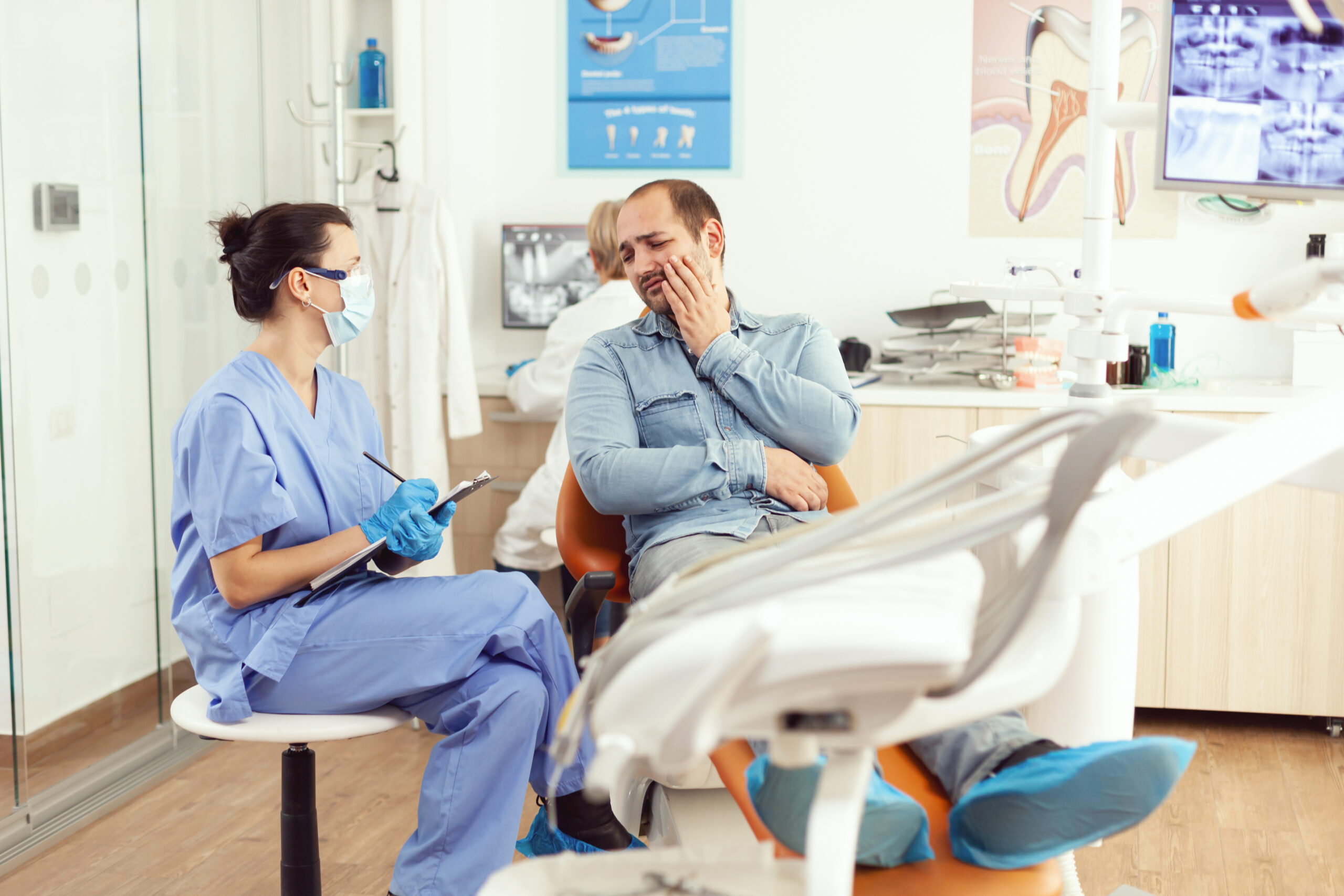
How do you know if dental pain is an emergency or something that can wait? When discomfort strikes suddenly, many patients aren’t sure whether to rush to the ER, call a dentist, or wait it out. This uncertainty leads to delayed care on one end and unnecessary emergency room visits on the other. Understanding what truly qualifies as a dental emergency in Oxnard helps patients act quickly, safely, and appropriately, often preventing serious complications.
This guide focuses on patient triage: how dentists determine urgency, which symptoms need same-day attention, and when waiting can cause lasting damage.
Why Knowing What’s Urgent Matters
Dental problems rarely stay static. What starts as manageable discomfort can escalate into swelling, infection, or irreversible damage within days or even hours. At the same time, not every broken tooth or ache requires immediate intervention.
When patients understand how dentists triage emergencies, they’re better equipped to respond calmly and correctly. This clarity is essential for anyone searching for dental emergencies in Oxnard, especially outside regular office hours.
Severe Toothache: When Pain Signals Infection
A toothache becomes an emergency when pain is constant, worsening, or throbbing, especially if it interferes with sleep or daily function. This type of pain often indicates inflammation or infection inside the tooth or surrounding bone.
What makes it urgent isn’t just discomfort, but pressure buildup and bacterial activity that can spread beyond the tooth. Same-day dental evaluation allows the source to be treated before swelling or systemic symptoms develop.
Facial Swelling: A Clear Red Flag
Facial swelling is one of the most important signs requiring immediate dental care. Swelling suggests that the infection has moved beyond the tooth into the surrounding tissues. In some cases, it can progress toward the eye, jaw, or airway.
This is where delays become dangerous. While emergency rooms may prescribe antibiotics, they cannot remove the infected tooth or drain the source. Prompt dental treatment is critical when swelling is present.
Broken or Fractured Teeth: Timing Matters
Not all broken teeth are emergencies, but some are time-sensitive. A fracture that exposes the inner layers of the tooth increases the risk of infection and nerve damage.
If a tooth breaks and is accompanied by sharp pain, sensitivity, or bleeding, same-day care can often preserve the tooth. Waiting may turn a repairable fracture into a tooth that requires extraction or root canal treatment.
What Usually Does Not Require Same-Day Care
Mild sensitivity, small chips without pain, or dull aches that come and go typically do not require emergency treatment. However, these symptoms should still be evaluated promptly to prevent escalation.
The key distinction is whether the condition poses a risk of infection spread, severe pain, or structural loss.
Why the ER Isn’t the Best First Stop
Emergency rooms play a vital role in medical crises, but they are not equipped to provide definitive dental treatment. Patients often leave with temporary pain relief or antibiotics, only to need urgent dental care days later.
Seeking dental-specific emergency care resolves the root cause, not just the symptoms, reducing repeat visits and complications.
How Dentists Triage Dental Emergencies
Dentists assess urgency based on symptoms, clinical findings, and risk factors. Pain severity, swelling, fever, trauma, and difficulty swallowing or opening the mouth all influence whether same-day treatment is required.
This triage process ensures patients with the highest risk receive care first, while others are scheduled appropriately.
Acting Early Protects Your Health
Dental emergencies are less about panic and more about timing. Knowing when symptoms require same-day attention helps prevent unnecessary suffering, complications, and costly treatment.
If you’re facing sudden pain, swelling, or dental trauma, seeking professional evaluation for a dental emergency in Oxnard ensures the problem is addressed correctly and promptly. At Puri Dentistry, emergency care focuses on clear triage, timely treatment, and long-term solutions, so patients get relief without uncertainty.