
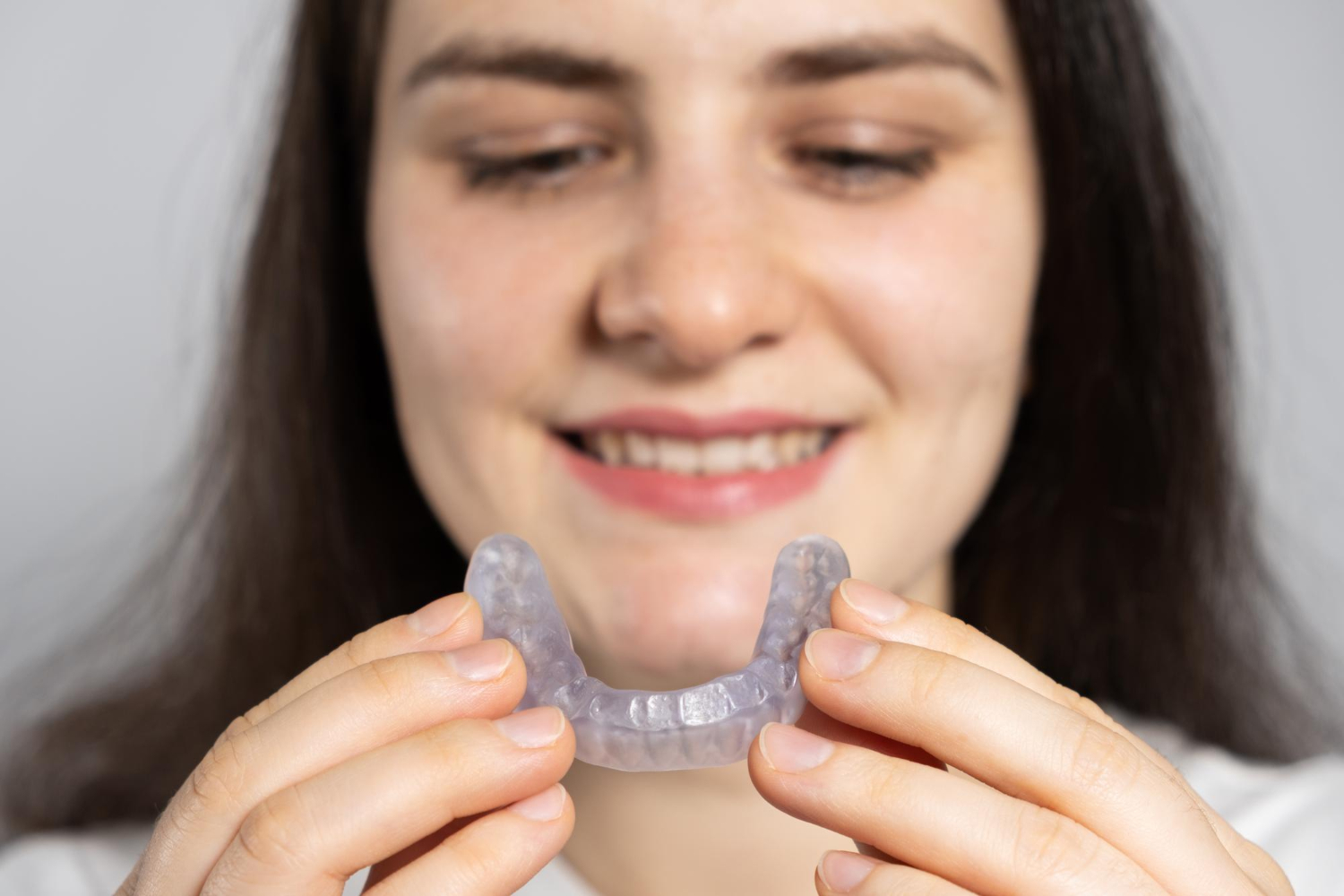
We had a patient show up recently wearing what he proudly called his “two-in-one solution,” a sports guard he’d been using every night for months to deal with grinding.
He was confused when we told him it wasn’t doing the job it was meant for. He’d assumed anything covering his teeth while he slept counted as protection, and honestly, that mix-up happens more than people realize.
Let’s clear this up properly, because a night guard for teeth and a sports guard might look similar sitting side by side, but they’re built for completely different jobs.
Why These Two Get Confused So Often
Both sit over your teeth, both are made from some kind of moldable material, and both get labeled generically as “mouthguards” in most stores. That surface-level similarity is exactly why people assume one can substitute for the other.
But what each one is designed to withstand couldn’t be more different, and that difference matters more than most patients expect walking into this conversation.
What a Sports Guard Is Built For
A sports guard is designed to absorb a sudden, forceful impact, like taking an elbow to the face during a pickup basketball game or getting hit with a ball unexpectedly.
It’s thicker, bulkier, and built to distribute a single sharp blow across your teeth and jaw rather than concentrate that force in one spot. It’s not designed for sustained pressure over hours, because that’s simply not the kind of force it’s built to handle.
What a Night Guard Is Solving For
A night guard for teeth serves an entirely different purpose. It’s built to handle repeated, sustained pressure from clenching or grinding that can go on for hours while you sleep, not a single sudden impact.
The material and thickness are calibrated differently, thinner in some spots to allow natural jaw movement, sturdier in others to prevent tooth-on-tooth contact throughout the night. Using a sports guard instead means you’re wearing something built for the wrong kind of stress entirely.
Why Wearing the Wrong One Doesn’t Just “Not Help”
This is the part we think deserves more attention. Wearing a sports guard nightly instead of a proper night guard for teeth isn’t neutral, it can make things worse.
The bulkier design can encourage your jaw to clench harder against the extra material, and the fit isn’t calibrated for hours of wear, which sometimes leads to jaw soreness that has nothing to do with the grinding itself. Patients assuming they’re protected are sometimes dealing with two separate problems layered on top of each other without realizing it.
Signs You’re Using the Wrong Type Without Knowing It
- Jaw soreness that’s worse in the morning despite wearing something every night
- A guard that feels bulky or uncomfortable enough to remove partway through sleep
- Continued tooth sensitivity or wear despite consistent nightly use
- A guard that was purchased specifically for sports but repurposed for sleep
Why Custom-Fitted Options Matter More Than People Expect
We’ve noticed a pattern where patients using generic, one-size-fits-all guards from a store shelf assume the fit issue is just something to get used to. It shouldn’t be.
A properly fitted night guard for teeth should feel snug without needing constant adjustment throughout the night, and discomfort is usually a sign the fit or the type itself isn’t right for what your mouth needs.
How We Approach This With Patients
At Puri Dentistry, we ask specifically what someone’s using their guard for before recommending anything. Since grinding and sports impact require genuinely different solutions even though they get grouped together casually in conversation. We won’t just hand over a generic recommendation without understanding what problem we’re solving for.
Choosing the Right One for What You Need
If you’re grinding or clenching at night, reaching for a sports guard because it’s what you already own isn’t the safer choice, it’s simply the wrong tool for a different job.
A proper night guard for teeth, fitted specifically for sustained nighttime pressure, protects your teeth the way that situation calls for, rather than borrowing protection meant for an entirely different kind of impact.
The Bottom Line
These two guards aren’t interchangeable, no matter how similar they look at first glance.
Understanding what each one is built to withstand makes it a lot easier to see why grabbing whichever one is already sitting in your drawer isn’t the same as getting genuine protection for what your mouth is dealing with each night.