
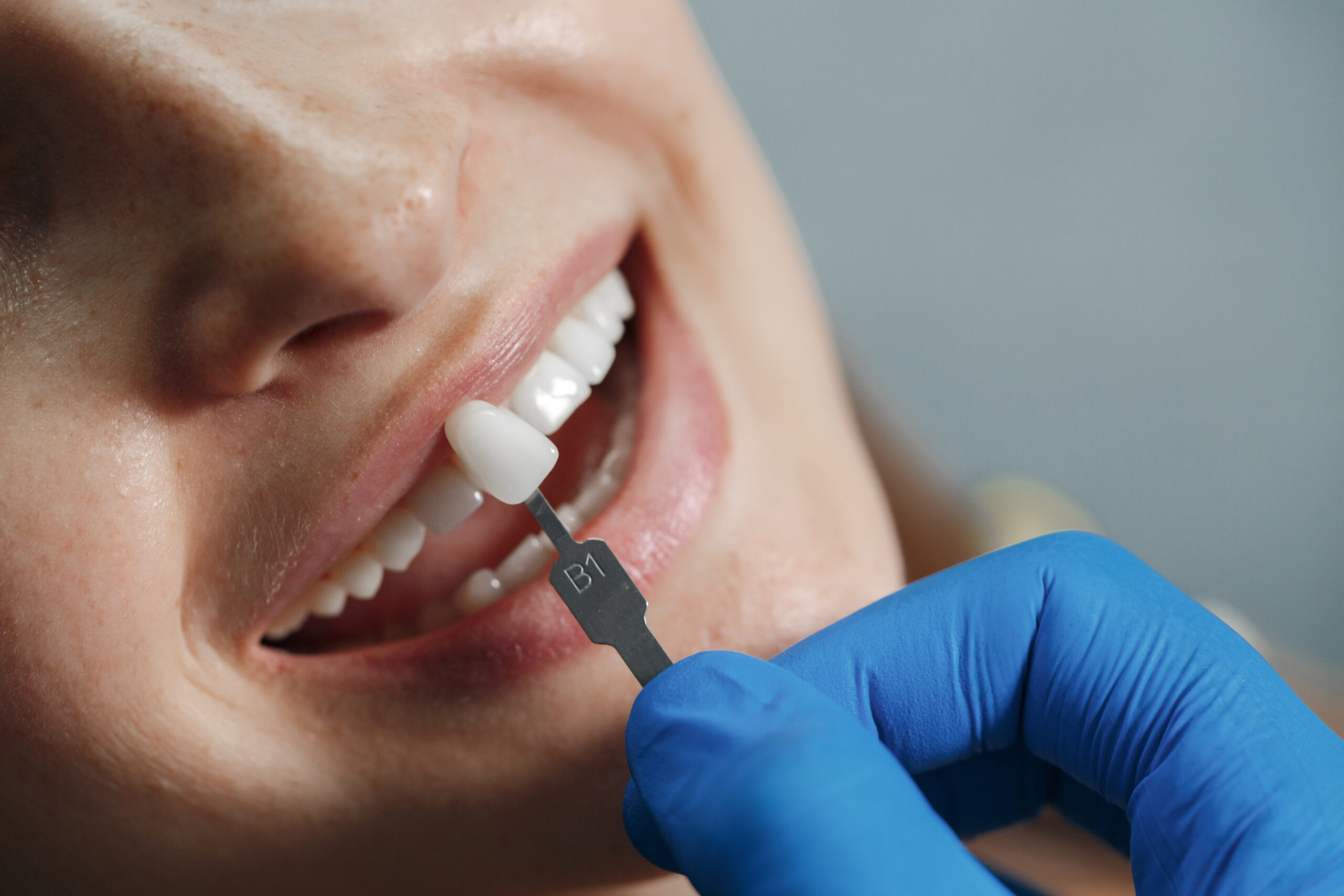
Not every dental problem fits neatly into a simple category. Some teeth are too damaged for a basic filling to hold long-term, but not damaged enough to justify grinding them down for a crown. This in-between zone is more common than most people realize and it is exactly where dental inlays shine. If you have been searching for “inlays near me”, understanding this middle ground is the first step toward making the right decision for your tooth.
The Quiet Way Fillings Can Fail
Standard fillings, especially larger ones, have a lifespan. They work well for small to moderate cavities, but when a filling takes up too much of a tooth’s surface, problems tend to develop gradually and without obvious warning signs.
Over time, a large filling can begin to pull away slightly from the tooth walls, creating tiny gaps where bacteria can enter. The tooth structure surrounding an oversized filling may start to flex differently under chewing pressure, eventually leading to small cracks. Sensitivity that comes and goes, a filling that keeps needing replacement, or a tooth that never quite feels stable, these are the quiet signals that a filling alone is not the right long-term solution.
The frustrating part is that none of this looks dramatic on the outside. The tooth may appear fine. But underneath, the situation is slowly progressing toward something more serious.
The Case Against Jumping Straight to a Crown
On the other end of the spectrum, a crown covers the entire visible surface of a tooth. It is an excellent solution when a tooth is severely damaged, has had a root canal, or is structurally compromised in a significant way. But placing a crown requires removing a substantial amount of healthy tooth structure to make room for the restoration.
When a tooth does not actually need that level of intervention, a crown can feel like a disproportionate response. Removing healthy enamel that does not need to be removed is a trade-off worth avoiding when a better option exists. Once that tooth structure is gone, it is gone permanently.
This is the gap that inlays are specifically designed to fill.
What Inlays Are?
A dental inlay is a custom-made restoration that fits precisely within the cusps, the raised points of a back tooth. Unlike a filling, which is molded directly in the mouth using a soft material. An inlay is crafted in a lab from porcelain or composite resin and then bonded securely into place.
The result is a restoration that-
- Fits with far greater precision than a standard filling.
- Bonds directly to the tooth for added structural support.
- Preserves significantly more healthy tooth structure than a crown.
- Blends naturally with the surrounding tooth in both color and texture.
For teeth in that in-between zone, an inlay offers a level of durability and fit that a filling simply cannot match, without the aggressive removal of healthy structure that a crown requires.
The Teeth That Tend to Need Inlays
At Puri Dentistry, we most often recommend inlays for patients whose situations share a few common features. While every case is different, the teeth that benefit most from this restoration typically involve-
- A cavity or damage that covers a significant portion of the chewing surface but has not reached the tooth’s cusps.
- An existing large filling that is failing, cracking, or repeatedly needing replacement.
- A tooth that has experienced minor fracturing but remains structurally sound overall.
- Decay that has been caught before it advanced far enough to compromise the full tooth.
If any of these sound familiar, it is worth asking whether searching for “inlays near me” makes sense for your situation.
Precision Over Aggression
One of the core principles at Puri Dentistry is that the best dental treatment is the most conservative one that actually solves the problem. More is not always better and in dentistry, preserving your natural tooth structure is always the priority when it can be done without compromising the outcome.
Inlays represent that philosophy well. They are not a compromise between two options. They are the right option for a specific set of circumstances and for the patients who need them, they tend to perform exceptionally well over many years.
A well-placed inlay can last 10 to 30 years with proper care. That kind of longevity comes from the precision fit, the strength of the material, and the fact that the surrounding tooth structure remains largely intact and healthy.
Finding the Right Fit for Your Tooth
If you have been told you need a filling replaced, or if a tooth has been bothering you in ways that are hard to describe, it may be worth a conversation about whether an inlay is the more appropriate restoration. Many patients who come to us after years of repeated filling replacements find that an inlay is the solution that finally holds.
Searching for “inlays near me” is a good starting point. The next step is a thorough examination where we can look at the actual condition of the tooth, discuss your options clearly, and help you understand exactly what each one involves before any decision is made.
At Puri Dentistry, we take time with these conversations because we believe the right restoration chosen for the right reason always produces the best long-term result.
Take the Next Step
If you suspect a tooth is not quite right or if you have been putting off addressing one because the options felt unclear, we are here to help. Reach out to Puri Dentistry to schedule an evaluation and find out whether “inlays near me” is the answer your smile has been waiting for.