
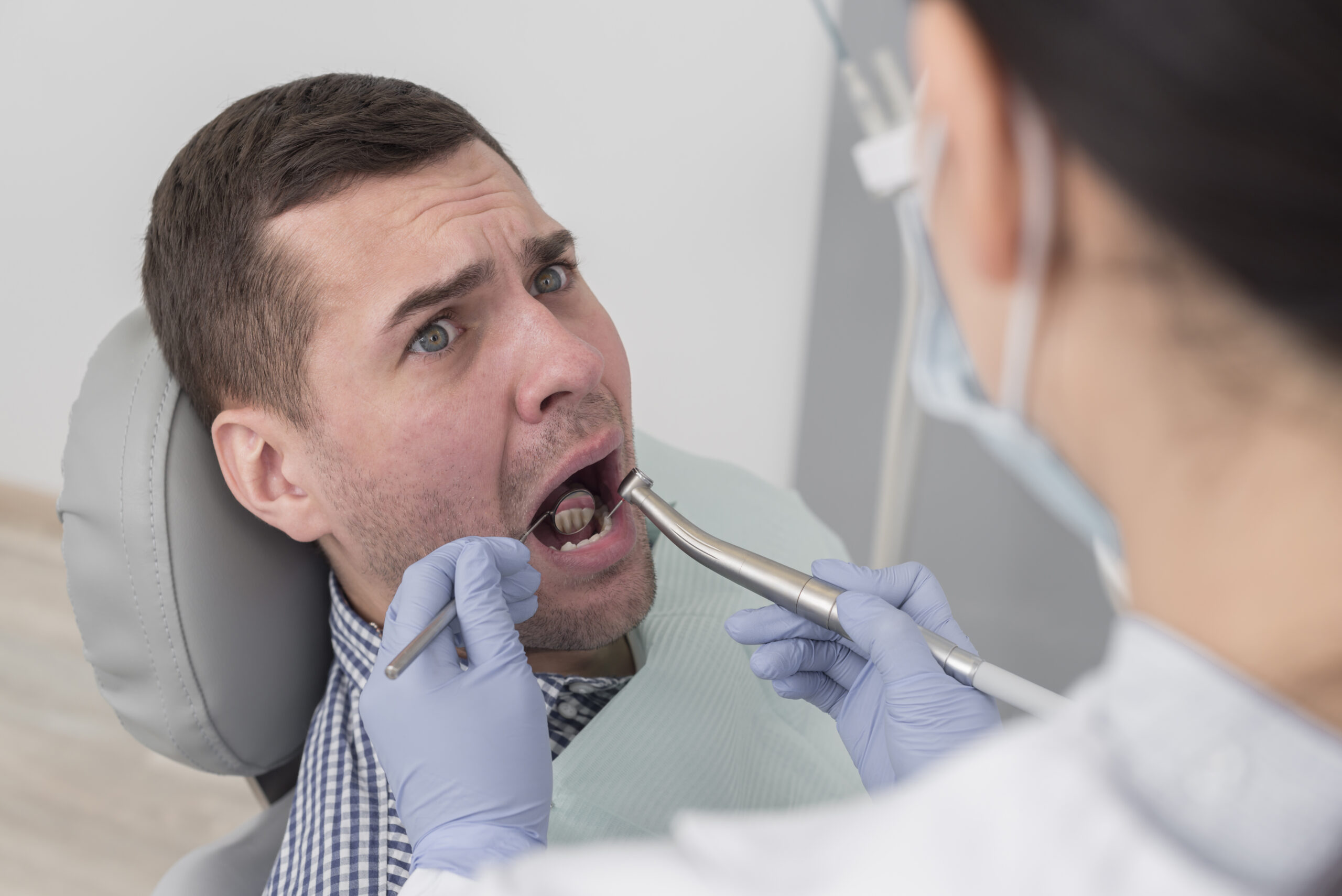
Are you unsure whether your wisdom teeth really need to be removed?
Many patients assume wisdom teeth are automatically removed at a certain age. Others worry about extraction even when they feel no pain. That’s why people often search for wisdom teeth removal in Oxnard, to understand whether removal is necessary or if monitoring is enough.
At Clove Dental Oxnard, we explain that wisdom tooth decisions are based on risk assessment. Dentists weigh positioning, age, and future complications before recommending extraction.
What Wisdom Teeth Are and Why They Cause Problems
Wisdom teeth are the third molars that usually erupt in the late teens or early twenties. They are the last to form, and hence they do not have enough space in the jaw.
In case of improper eruption of the wisdom teeth, they may either push against the adjacent teeth or be partially caught between the gums. This location makes them more likely to decay, become infected by gums and cause damage to the adjacent teeth. Nevertheless, not every wisdom teeth is problematic, this is why it is important to examine them.
How Tooth Positioning Influences Extraction Decisions
Positioning is one of the most important factors dentists consider. Wisdom teeth which do not develop oblique, do not overgrow, and are able to be brushed up may not need any removal.
Angling, erupting of teeth, and hitting of teeth gives rise to problems. These positions form inaccessible spots of bacteria. It may eventually result in infection, cysts or damage of the adjacent teeth. Dentists assess positioning based on clinical examination and imaging and subsequently recommend it.
Why Age Matters in Wisdom Teeth Removal
The factor of age is a major contributor in risk and recovery. Patients who are young are likely to recover at a higher rate and have fewer complications with extraction.
As the patients grow older, the wisdom teeth roots will grow further and the bone will become more dense. This may complicate extractions and extend the time of recovery. Dentists consider age when deciding whether early wisdom teeth removal in Oxnard is safer than waiting.
When Monitoring Wisdom Teeth Is Appropriate
Surveillance is usually advisable in cases where the wisdom teeth are particular, completely developed and asymptomatic. In such situations, frequent tests and imaging are used to prevent the problem’s emergence in the long term.
Follow-up care is a commitment that is required in monitoring. Position shift, gum conditions or symptom changes can provide later extraction indication. Observation does not neglect the tooth, it is a low risk decision.
Risks of Leaving Problematic Wisdom Teeth Untreated
Poorly positioned wisdom teeth may cause problems even when painless. Gradual infections, decay, and damage of other teeth may occur.
Dentists usually suggest the removal of teeth before complications because the symptoms are sometimes observed late. This preventive measure helps to decrease the possibility of emergency cases and more intensive treatment in the future.
How Dentists Assess Risk Before Recommending Removal
Dentists assess various aspects such as the location of the tooth, health of gums, bone structure and the closeness to nerves. Imaging assists in the detection of possible complications and safe planning.
In Clove Dental Oxnard, we are concerned with the presence or future of a threat of the wisdom tooth. The removal decision is made in cases where the possible damage of not extracting the tooth is more than the risks of extraction.
Why Extraction Is Not Automatically Recommended
Routine removal without reason is no longer standard practice. Dentists aim to preserve healthy teeth whenever possible.
If a wisdom tooth is functional, easy to clean, and not affecting surrounding structures, removal may not be necessary. This patient-specific approach avoids unnecessary surgery.
What to Expect if Removal Is Recommended
When dental extractions are recommended, the dentists justify the decision, the process and the expected recovery. Treatment planning is anesthesia and post-operative care.
Effective communication will make the patients see the need to have it removed and the reasons why it will preserve the oral health in the long term.